About
The BRI member portal
One place to find the people of the UCLA Brain Research Institute: what they study, what they have published and been funded to do, and who they already work with. It is built to help researchers find collaborators, and to help students, funders and the public find the right expert.
Where the data comes from
Every profile starts from the member's BRI profile and is extended with public records from:
- BRI member profiles (opens in a new tab) — names, titles, departments, photos, biographies
- PubMed (opens in a new tab) — publications
- ORCID (opens in a new tab) — education, employment, and identifiers
- NIH RePORTER (opens in a new tab) — NIH grants
- NSF Award Search (opens in a new tab) — NSF grants
- ClinicalTrials.gov (opens in a new tab) — clinical trials
- OpenAlex, Semantic Scholar, Crossref, NIH iCite (opens in a new tab) — citation counts and publication metadata
- USPTO (via PatentsView) (opens in a new tab) — patents
The portal checks these sources automatically. New or changed records are reviewed by BRI administrators before they appear on a profile. Funding totals are summed from public NIH and NSF award records and may not include foundation, industry or other federal funding.
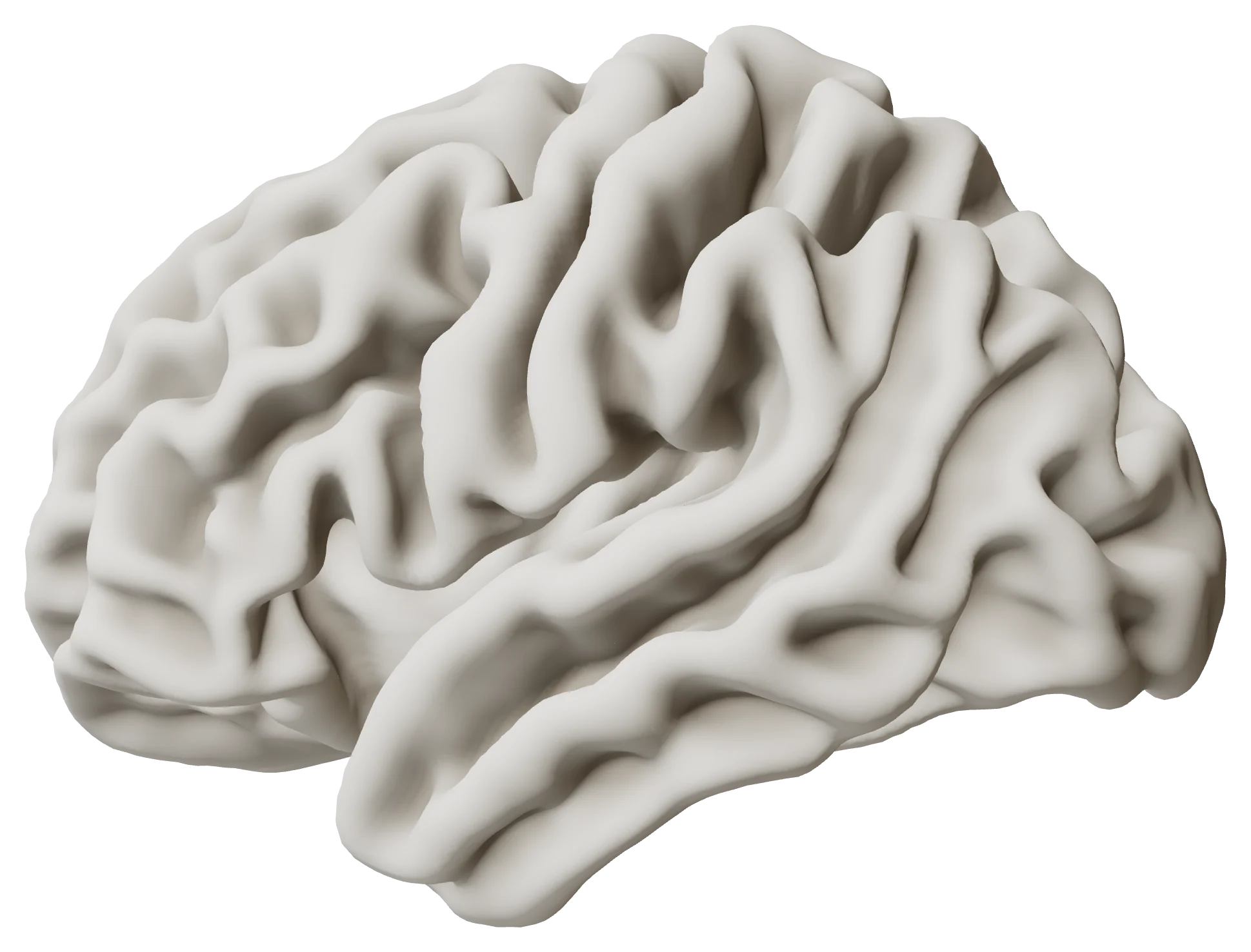
Brain renderings are derived from the ICBM 2009 template, © McConnell Brain Imaging Centre, Montreal Neurological Institute.
How AI is used
The portal uses Google Gemini to group research into topics, to power the Find an Expert search, and to draft plain-language summaries of a member's work. Publications, grants, trials and patents come only from the sources above and are never written by AI.
AI-written text is labeled where it appears. Plain-language summaries are reviewed by BRI staff before they are published. Only public information is sent to the AI service.
Correcting a profile
Members can fix their own information. Every profile has a Report an error button. Tell us what is wrong and what it should say, and a BRI administrator will update it.
Publications are matched to members by name and affiliation. For common names this can occasionally attach a paper by someone else. Reporting it removes the paper from your profile.
Privacy
The portal shows only professional information that is already public. It does not use advertising or tracking cookies, and visitors do not need an account. If you include your name or email in a correction report, it is used only to follow up on that report and is never shown on the site. See also UCLA's Privacy & Terms of Use (opens in a new tab).
Accessibility
We want the portal to work for everyone. Read our accessibility statement or tell us about a barrier at [email protected].
