Nature Genetics · 2025
Genome-wide analyses identify 30 loci associated with obsessive-compulsive disorder. (opens in a new tab)
BRI researcher

127
Citations
13.0
Relative Citation Ratio
NIH iCite · field median 1.0
UCLA Brain Research Institute · Since 1959
335 neuroscientists, engineers and clinicians across 21 departments, studying the healthy and diseased brain — from molecules and circuits to cognition and the clinic.
Or start with an area of research
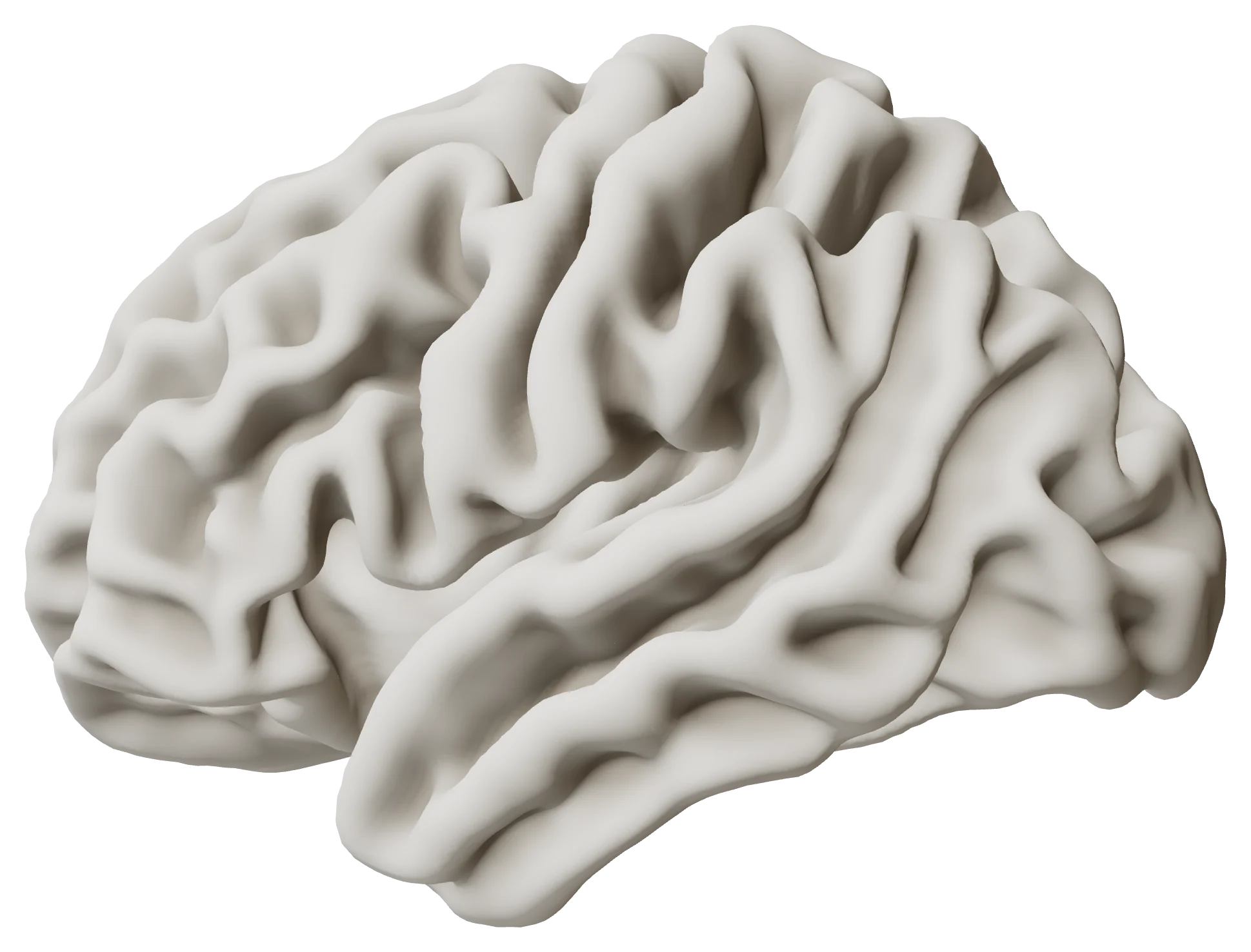
Researchers are grouped by department; their placement on the cortex is illustrative. Hover or tap a point to meet them, or browse the full network.
A paper, grant or trial shared by several members is counted once. Funding is the lifetime total of NIH and NSF awards to current members. Where the data comes from
Areas of inquiry
BRI faculty organize around shared scientific questions that cut across departments and schools.
61 researchers




55 researchers


43 researchers


42 researchers


41 researchers



40 researchers


36 researchers
31 researchers


Our people
A sampling of BRI faculty: the researcher with the highest h-index in each of six departments.
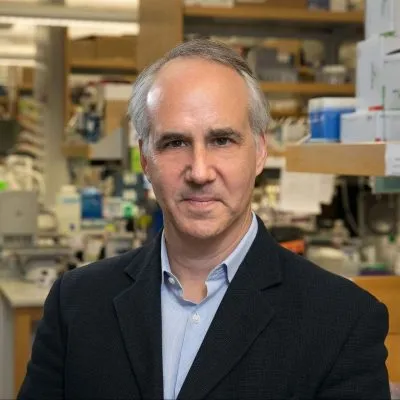
Professor, Neurology
h-index 195159K citations

Professor, Medicine
h-index 153115K citations

Professor, Clinical Psychology, Psychology
h-index 12559K citations

Professor, Psychiatry & Biobehavioral Sciences
h-index 11543K citations

Distinguished Professor, Integrative Biology & Physiology
h-index 10035K citations

Professor, Neurobiology
h-index 10054K citations
Recent publications
The most-cited neuroscience papers by BRI researchers published since 2025.
Nature Genetics · 2025
BRI researcher
Collaboration
The institute exists to connect people who would not otherwise meet — clinicians with engineers, geneticists with psychologists. Explore who works together today, and where new partnerships could begin.
Strongest ties between departments
Explore
Describe a research question in plain language; AI-assisted matching suggests BRI faculty.
Compare research strength, funding and leading scientists across departments.
The institute's most influential papers, clinical trials and funded research.
Funding, publication output and research trends over time.
