
Ischemia-reperfusion injury in stroke. (opens in a new tab)
Nour M, Scalzo F, Liebeskind DS.
2013246 citationsRCR 8.1796th percentile

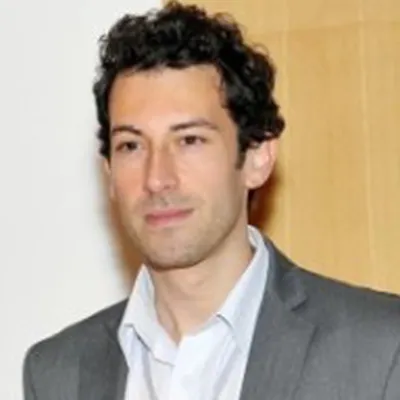
Assistant Professor in Residence
AI-generated biography
Fabien Scalzo, Ph.D., is an Assistant Professor in Residence in the Department of Neurology and the Department of Computer Science at the University of California, Los Angeles. His research is dedicated to advancing stroke care through innovative diagnostic technologies and artificial intelligence. Dr. Scalzo's work focuses on developing and validating prehospital and mobile stroke diagnosis tools, notably investigating the correlation between Brain Perfusion Ultrasound (BPU) and perfusion MRI.
A significant area of his research involves the application of machine learning and deep learning for stroke diagnosis and clinical decision support. He also explores advanced neuroimaging techniques, including Vessel Wall Imaging (VWI), to assess ischemic stroke risk and characterize intracranial atherosclerotic disease. Dr. Scalzo's contributions include identifying imaging biomarkers and hemodynamic factors crucial for stroke risk stratification. His prolific research has resulted in high-impact publications and a significant citation count, underscoring his influence in the field of neurovascular imaging and AI in medical diagnosis.
Source: Gemini AI · Updated 8 months ago
This research collectively focuses on advancing stroke care by improving diagnosis, risk assessment, and clinical decision support. Studies include developing novel diagnostic tools, such as a mobile ultrasound device for prehospital detection, and identifying specific imaging biomarkers like plaque hyperintensity and hemodynamic factors linked to ischemic stroke and intracranial atherosclerotic disease. Additionally, the work explores leveraging machine learning to enhance decision-making in stroke management.
Research topics extracted by AI (Google Gemini) from this member’s publications.
Papers by NIH iCite research category (3 of 89 papers classified) · trials from ClinicalTrials.gov · patents from USPTO.
89 publications · h-index 34 · PubMed, ORCID and the BRI profile
Showing 10 of 89
Nour M, Scalzo F, Liebeskind DS.
Hu X, Xu P, Scalzo F, et al.
Leng X, Lan L, Ip HL, et al.
Yu S, Liebeskind DS, Dua S, et al.
Xi T, Jin F, Zhu Y, et al.
Zhong X, Cao R, Shakeri S, et al.
Leng X, Scalzo F, Ip HL, et al.
Hu X, Glenn T, Scalzo F, et al.
Li R, Polat U, Scalzo F, et al.
Institute members who share papers or grants with this researcher




AI-generated
Generated automatically from this profile's public data to suggest possibilities. Treat them as starting points rather than recommendations.
R01 (Research Project Grant)
The R01 is the primary NIH funding mechanism for investigator-initiated research. This researcher's diverse and interconnected interests, spanning imaging biomarkers, AI/ML in diagnostics, and pathophysiology of stroke, lend themselves well to a comprehensive R01 proposal. If they have sufficient preliminary data from institutional support or other sources, an R01 could establish a strong, foundational NIH-funded research program. Relevant Institutes would primarily be NINDS (National Institute of Neurological Disorders and Stroke) and NIBIB (National Institute of Biomedical Imaging and Bioengineering).
R21 (Exploratory/Developmental Research Grant)
The R21 mechanism is ideal for exploratory or high-risk, high-reward projects that may not yet have extensive preliminary data. Given the researcher has no current NIH grants, an R21 can be an excellent entry point or a mechanism to generate crucial preliminary data for a future R01. This is particularly well-suited for novel aspects like the initial development and validation of 'Prehospital/Mobile Stroke Diagnosis Technologies' (e.g., BPU), exploring new 'Machine Learning Applications in Stroke Diagnosis and Decision Support,' or pilot studies on the 'Correlation of Brain Perfusion Ultrasound (BPU) with Perfusion MRI.' Relevant Institutes: NINDS, NIBIB.
SBIR/STTR (Small Business Innovation Research/Small Business Technology Transfer) Grants (e.g., R41, R42, R43, R44)
With a strong focus on 'Prehospital/Mobile Stroke Diagnosis Technologies,' the SBIR/STTR programs are highly relevant for translating research into commercially viable products. If the researcher's work involves developing a device or software with commercial potential, either through their own startup or in collaboration with a small business, these mechanisms provide funding for research and development leading to commercialization. This mechanism is particularly suited for advancing technologies like BPU for mobile stroke diagnosis. Relevant Institutes: NINDS and NIBIB frequently participate in SBIR/STTR programs related to medical devices and diagnostics.
Shared papers, topics or department