Post-Stroke Cognitive Impairment and Dementia. (opens in a new tab)
Rost NS, Brodtmann A, Pase MP, et al.
2022537 citationsRCR 56.9799th percentile

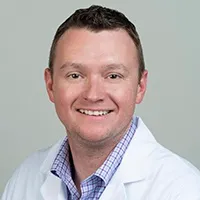
AI-generated biography
Jason Hinman, M.D., Ph.D., is a distinguished member of the Department of Neurology at UCLA. His research program is dedicated to unraveling the intricate pathophysiology of Intracranial Atherosclerotic Disease (ICAD). Dr. Hinman's work specifically investigates the critical role of endothelial shear stress in cerebrovascular disease, exploring how mechanical forces from blood flow influence platelet activation and the expression of platelet FcγRIIa. This research aims to identify novel biomarkers for ICAD and elucidate the molecular mechanisms underlying its progression.
Dr. Hinman's contributions have been recognized through significant funding, including multiple NIH grants focused on shear stress, endothelial pathophysiology, and vascular regulation of remyelination. His impactful publications, such as "Post-Stroke Cognitive Impairment and Dementia," have garnered substantial citations, underscoring the broad relevance of his work. His research also extends to understanding ischemic stroke in veteran populations, developing blood-based biomarkers for Alzheimer's disease, and exploring endovascular therapy for ICAD. Dr. Hinman's comprehensive approach promises to advance therapeutic targets and improve outcomes for patients with cerebrovascular diseases.
Source: Gemini AI · Updated 8 months ago
Research topics extracted by AI (Google Gemini) from this member’s publications.
Papers by NIH iCite research category (4 of 82 papers classified) · trials from ClinicalTrials.gov · patents from USPTO.
82 publications · h-index 38 · PubMed, ORCID and the BRI profile
Showing 10 of 82
Rost NS, Brodtmann A, Pase MP, et al.
Chen CD, Sloane JA, Li H, et al.
Sozmen EG, Rosenzweig S, Llorente IL, et al.
Hinman JD, Rasband MN, Carmichael ST.
Sozmen EG, Hinman JD, Carmichael ST.
Wilcock D, Jicha G, Blacker D, et al.
Hinman JD, Rost NS, Leung TW, et al.
Hinman JD, Peters A, Cabral H, et al.
Hinman JD, Lee MD, Tung S, et al.
Hinman JD.
$12.3M total · 6 NIH grants · 3 active
UCLA Neuroscience Physician-Scientist Training Program (NIH RePORTER, opens in a new tab)
UE5NS065723Co-PI2009–2030
R01NS112799Co-PI2020–2030
Defining the molecular spectrum of white matter vascular lesions (NIH RePORTER, opens in a new tab)
RF1NS139972Contact PI2024–2027
UCLA Neuroscience Physician-Scientist Training Program (NIH RePORTER, opens in a new tab)
UE5NS065723Co-PIFY2009–2026
R01NS112799Co-PIFY2020–2025
RF1NS114336Contact PIFY2020–2024
Defining the molecular spectrum of white matter vascular lesions (NIH RePORTER, opens in a new tab)
RF1NS139972Contact PIFY2024
Stroke-Induced Mechanisms of Tau Phosphorylation and Aggregation (NIH RePORTER, opens in a new tab)
R03NS111482Contact PIFY2019
K08NS083740Contact PIFY2013–2017
Institute members who share papers or grants with this researcher



AI-generated
Generated automatically from this profile's public data to suggest possibilities. Treat them as starting points rather than recommendations.
R01 (Research Project Grant)
This researcher has a strong and successful track record with multiple R01 grants focused on the core areas of Intracranial Atherosclerotic Disease (ICAD) pathophysiology, shear stress, and endothelial function. The R01 is the standard grant for independent investigators and is ideal for continuing robust, investigator-initiated research projects, whether pursuing established lines of inquiry or launching new, well-supported projects within their areas of expertise (e.g., detailed molecular mechanisms, specific therapeutic targets, or biomarker validation).
RF1 (Transformative Research Award)
The researcher already holds multiple RF1 grants, demonstrating a proven capacity for pursuing exceptionally innovative, unconventional, and high-risk/high-reward research. This mechanism is perfectly suited for exploring groundbreaking ideas related to their interests, such as novel immunothrombosis pathways in atherosclerosis, entirely new approaches to understanding white matter vascular lesions, or pioneering therapeutic strategies that could significantly advance the field. It supports research that aims to create new scientific paradigms and might be difficult to fund through traditional mechanisms.
P01 (Program Project Grant)
Given the researcher's extensive expertise, multiple successful R01s and RF1s, and affiliation with a prominent institution like UCLA, they are well-positioned to lead or be a key project leader in a multi-project, interdisciplinary research program. A P01 would allow them to integrate various facets of their research (e.g., basic pathophysiology, biomarker development, preclinical therapeutic testing, molecular mechanisms, and immunothrombosis) under a common, synergistic theme related to cerebrovascular disease or intracranial atherosclerosis, fostering collaboration and achieving a greater impact than individual R01s could.
Shared papers, topics or department