Inflammatory processes in muscle injury and repair. (opens in a new tab)
Tidball JG.
American Journal of Physiology-Regulatory, Integrative and Comparative Physiology20051,426 citationsRCR 22.1599th percentilePubMed record (opens in a new tab)

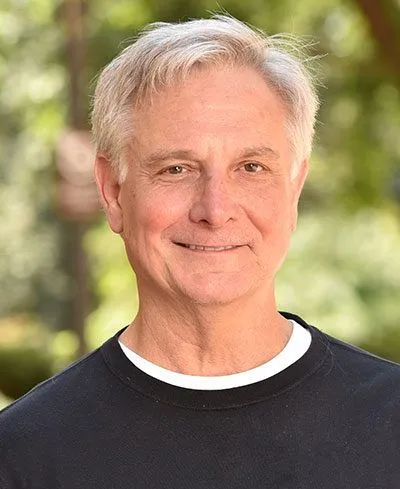
Distinguished Professor
David Geffen School of Medicine
Department of Pathology and Laboratory Medicine
Source: BRI Website · Updated 8 months ago
James Tidball's research focuses on the immunobiology of muscle repair and regeneration, specifically investigating mechanisms underlying inherited muscular dystrophies and age-related muscle decline (sarcopenia). His work elucidates how immune cells, particularly myeloid cells and macrophages, critically modulate myogenesis, inflammation, and fibrosis through specific molecular pathways involving proteins like Klotho and Jmjd3, often exploring therapeutic interventions targeting these processes.
Research topics extracted by AI (Google Gemini) from this member’s publications.
55 publications · h-index 66 · PubMed, ORCID and the BRI profile
Showing 10 of 42
Tidball JG.
Tidball JG, Villalta SA.
Villalta SA, Nguyen HX, Deng B, et al.
Tidball JG, Wehling-Henricks M.
Villalta SA, Rinaldi C, Deng B, et al.
Tidball JG, Wehling-Henricks M.
Wang Y, Wehling-Henricks M, Samengo G, et al.
Tidball JG, Spencer MJ.
Tidball JG.
$20.4M total · 12 NIH grants
R01AR075768Contact PI2020–2026
R01NS109117Contact PI2019–2025
R01AR066036Contact PI2014–2020
R01AR075768Contact PIFY2020–2024
R01NS109117Contact PIFY2019–2023
R01AR066036Contact PIFY2014–2018
Immune cell regulation of the regeneration of dystrophic muscle (NIH RePORTER, opens in a new tab)
R01AR062579Contact PIFY2014–2018
Training in Molecular, Cellular & Integrative Physiology (NIH RePORTER, opens in a new tab)
T32GM065823Contact PIFY2003–2017
Functions of myelomonocytic lineage cells in aging muscle (NIH RePORTER, opens in a new tab)
R01AG041147Contact PIFY2011–2015
R21AR066817Contact PIFY2014–2015
Myeloid cell function in muscle injury and repair (NIH RePORTER, opens in a new tab)
R01AR047855Contact PIFY2001–2011
Regulation of sarcopenia and muscle dysfunction by nitric oxide (NIH RePORTER, opens in a new tab)
R01AR054451Contact PIFY2007–2011
Myeloid Cell Function in Muscular Dystrophy (NIH RePORTER, opens in a new tab)
R01AR047721Contact PIFY2001–2005
Regulation of Myotendinous Junction Structure (NIH RePORTER, opens in a new tab)
R01AR040343Contact PIFY1989–2001
Cell Adhesion in Embryonic Hearts (NIH RePORTER, opens in a new tab)
R01HL042227Contact PIFY1988–1991
Institute members who share papers or grants with this researcher
AI-generated
Generated automatically from this profile's public data to suggest possibilities. Treat them as starting points rather than recommendations.
P01 (Program Project Grant)
This mechanism is ideal for established researchers with multiple, highly synergistic projects. Given the researcher's R01s cover both fundamental mechanisms of muscle growth/regeneration (Klotho/Jmjd3/Wnt axis) and translational therapeutic strategies for Duchenne muscular dystrophy, a P01 could integrate these distinct but related lines of inquiry into a cohesive, multi-project program. This would allow for a more comprehensive attack on complex questions, leveraging shared resources and expertise to accelerate discoveries and their translation.
R34 (Clinical Trial Planning Grant)
The researcher's explicit focus on 'Developing co-stimulatory blockade as a therapeutic strategy for Duchenne muscular dystrophy' positions them well for clinical translation. An R34 award would provide dedicated funding for the essential preparatory activities required before launching a full clinical trial (e.g., protocol development, regulatory submissions, identifying clinical sites, refining outcome measures, building necessary infrastructure). This mechanism supports moving promising preclinical findings closer to human application for DMD patients.
P50/U54 (Specialized Center Grant / Cooperative Agreement Center Grant)
With multiple R01s and a clear focus on a major disease (DMD) and fundamental biological processes (muscle regeneration), the researcher is well-positioned to lead a larger, interdisciplinary center. A P50 or U54 could establish a comprehensive research program focused on muscular dystrophies or regenerative medicine, bringing together multiple investigators, core facilities, and community engagement to accelerate discoveries and therapeutic development beyond what individual R01s or a P01 could achieve. This reflects a leadership role and a mature research program.
Shared papers, topics or department