
The pathways of interoceptive awareness. (opens in a new tab)
Khalsa SS, Rudrauf D, Feinstein JS, et al.
Nature Neuroscience2009421 citationsRCR 8.1496th percentileOpen access full text (opens in a new tab)PubMed record (opens in a new tab)

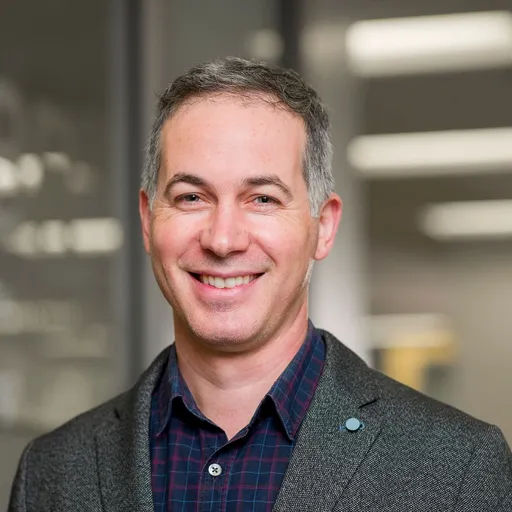
Associate Member
Associate Professor in Residence
David Geffen School of Medicine
Metrics: Semantic Scholar · Updated 8 months ago
My research focuses on understanding the pathophysiological basis of interoception, the process by which the nervous system senses internal body signals that are used to regulate bodily homeostasis. In addition, I investigate neuroscience-informed clinical applications of interoceptive interventions for disorders affecting physical or mental health. My interdisciplinary expertise harnesses methods from pharmacology, cognitive neuroscience, functional neuroimaging, electroencephalography, computational psychiatry, and behavioral clinical trials and applies them to 1) develop better methods for assessing interoception, and 2) answer basic and clinical questions in individuals with psychiatric disorders, including anxiety and eating disorders, and individuals with medical conditions, including cardiac arrhythmias. My work aims to determine how a better understanding of the pathophysiological basis of interoceptive symptoms can be translated clinically via the systematic testing of novel experimental therapeutics for these conditions. To accomplish these aims, I have integrated numerous methods to interrogate cardiovascular, respiratory, and gastrointestinal interoception across psychiatric and medical conditions, including the combination of pharmacological probes with functional magnetic resonance imaging (pharmaco-fMRI), combination of mechanosensory probes with electroencephalography (EEG) and computational modeling, and evaluation of non-pharmacologic interventions for anxiolysis (floatation-REST; Reduced Environmental Stimulation Therapy aka ‘float therapy’). My research projects have been NIH funded at the principal investigator level at every stage of my career (F31, R01 supplement, K23, R34, R01, and P20 subproject), as well as by private foundation and industry grants. Over the past 9 years I served as Director of Clinical Operations at the Laureate Institute for Brain Research (LIBR), supervising numerous NIH and industry-sponsored clinical trials, ensuring the safety of participants and successful completion of project-specific data collection.
Source: Manual · Updated 1 month ago
Sahib Khalsa's research focuses on the intricate interplay between interoception, the autonomic nervous system, and mental health. Their work explores how the perception of internal bodily states influences psychiatric disorders, body image, and various neurological conditions, while also examining the neurobiological basis of cardiovascular health and its significant implications for psychological well-being.
Research topics extracted by AI (Google Gemini) from this member’s publications.
Papers by NIH iCite research category (2 of 27 papers classified) · trials from ClinicalTrials.gov · patents from USPTO.
27 publications · h-index 46 · PubMed, ORCID and the BRI profile
Showing 10 of 27
Khalsa SS, Rudrauf D, Feinstein JS, et al.
Shivkumar K, Ajijola OA, Anand I, et al.
Khalsa SS, Rudrauf D, Tranel D.
Teed AR, Feinstein JS, Puhl M, et al.
Khalsa SS, Feinstein JS, Li W, et al.
Hassanpour MS, Yan L, Wang DJ, et al.
Rajendran PS, Hadaya J, Khalsa SS, et al.
Munshi S, Alarbi AM, Zheng H, et al.
Savitz J, Figueroa-Hall LK, Teague TK, et al.
Ajijola OA, Aksu T, Arora R, et al.
$700K total · 1 NIH grant · 1 active
BPCCIR: Building the Future of Interoceptive Neuroscience (NIH RePORTER, opens in a new tab)
U24AT013971Contact PI2026–2031
BPCCIR: Building the Future of Interoceptive Neuroscience (NIH RePORTER, opens in a new tab)
U24AT013971Contact PIFY2026
Institute members who share papers or grants with this researcher






AI-generated
Generated automatically from this profile's public data to suggest possibilities. Treat them as starting points rather than recommendations.
R01 from NIMH (National Institute of Mental Health)
The researcher's work on 'new and emerging treatments for anxiety disorders' and 'late-life neuropsychiatric disorders' aligns directly with NIMH's mission to understand, treat, and prevent mental illnesses. An R01 would support a significant, investigator-initiated research project focusing on the etiology, mechanisms, and novel interventions for these conditions.
R01 from NIA (National Institute on Aging)
The focus on 'brain health and resilience in reshaping trajectories of late-life neuropsychiatric disorders' is highly relevant to NIA's mission to understand the nature of aging and extend healthy, active lives. An R01 from NIA would be ideal for projects investigating aging-related factors, resilience mechanisms, and interventions for neuropsychiatric conditions in older adults.
R21 from NCCIH (National Center for Complementary and Integrative Health)
Given the interest in 'emerging treatments for anxiety disorders' and the expertise in autonomic nervous system function (as evidenced by the critique of the Polyvagal Theory), an R21 could support exploratory or high-risk, high-reward research into novel, integrative approaches, mind-body interventions, or the physiological mechanisms underlying these 'emerging treatments' relevant to mental health.
Shared papers, topics or department