
An RNA-sequencing transcriptome and splicing database of glia, neurons, and vascular cells of the cerebral cortex. (opens in a new tab)
Zhang Y, Chen K, Sloan SA, et al.
20143,923 citationsRCR 119.2199th percentile

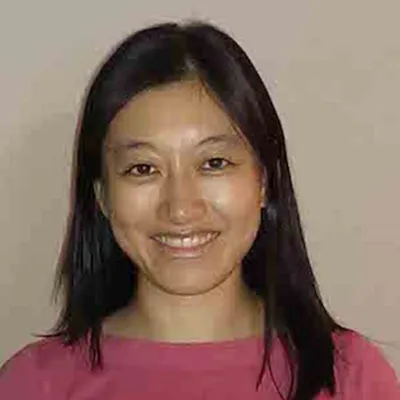
Assistant Professor
David Geffen School of Medicine
Metrics: Semantic Scholar · Updated 8 months ago
Papers by NIH iCite research category (1 of 33 papers classified) · trials from ClinicalTrials.gov · patents from USPTO.
33 publications · h-index 45 · PubMed, ORCID and the BRI profile
Showing 10 of 33
Zhang Y, Chen K, Sloan SA, et al.
Zhang Y, Sloan SA, Clarke LE, et al.
Darmanis S, Sloan SA, Zhang Y, et al.
Darmanis S, Sloan SA, Croote D, et al.
Zhang Y, Barres BA.
Watanabe M, Buth JE, Vishlaghi N, et al.
Ye B, Zhang Y, Song W, et al.
Zheng Y, Wildonger J, Ye B, et al.
Li J, Pan L, Pembroke WG, et al.
Yan Q, Weyn-Vanhentenryck SM, Wu J, et al.
Institute members who share papers or grants with this researcher







AI-generated
Generated automatically from this profile's public data to suggest possibilities. Treat them as starting points rather than recommendations.
 Samantha ButlerNeurobiologyFit 7/10
Samantha's expertise in neural progenitor cell differentiation and Ye's knowledge of epigenetic regulation of gene expression offer a strong complementary pairing, potentially allowing them to investigate the epigenetic mechanisms governing neuronal development.
Project idea: They could investigate how specific epigenetic modifications influence the differentiation of dorsal spinal sensory interneurons in vitro or in vivo.
 Ranmal SamarasingheNeurologyFit 7/10
Researcher A's focus on brain organoid models of neurological disorders, particularly epilepsy, could be significantly advanced by Researcher B's expertise in epigenetic regulation of gene expression, offering a deeper understanding of the molecular mechanisms underlying these conditions.
Project idea: Investigate the epigenetic underpinnings of aberrant neural network dysfunction observed in Researcher A's human brain organoid models of epilepsy, potentially identifying novel therapeutic targets.
 Neil HarrisNeurosurgeryFit 4/10
While their direct research topics are distinct (traumatic brain injury/epilepsy vs. epigenetics/retinal imaging), there's a potential for indirect synergy through the application of epigenetic insights to neurobiological outcomes.
Project idea: Investigate epigenetic modifications in response to traumatic brain injury as a potential mechanism for developing epilepsy biomarkers.
 Ahmet AracNeurologyFit 3/10
Their research areas are quite disparate, with one focusing on motor control and neurorehabilitation using machine learning, and the other on epigenetics and retinal vessel segmentation. There isn't an obvious direct overlap in their core methodologies or biological targets.
Project idea: A highly indirect collaboration might explore whether epigenetic markers (Zhang's area) influence the trajectory of motor recovery in stroke patients (Arac's area), though this would require significant bridging expertise.
Shared papers, topics or department