Intercellular calcium signaling in astrocytes via ATP release through connexin hemichannels. (opens in a new tab)
Stout CE, Costantin JL, Naus CC, et al.
2002715 citationsRCR 14.7898th percentile

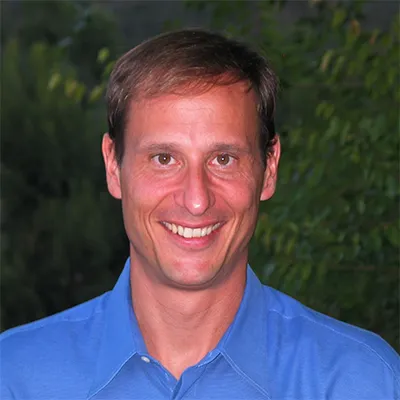
Professor
Metrics: Semantic Scholar · Updated 8 months ago
AI-generated biography
Andrew Charles, M.D., is a distinguished faculty member in the Department of Neurology at UCLA. His research is dedicated to unraveling the complex mechanisms underlying migraine and other headache disorders. Dr. Charles's investigations delve into critical areas such as cortical spreading depression and its role in migraine aura, as well as the physiological factors influencing migraine, including brain and retinal blood flow dynamics. He has made significant contributions to the preclinical evaluation of novel migraine therapies, utilizing chronic migraine animal models and exploring the potential of 5-HT receptor systems as therapeutic targets.
A notable aspect of his work involves the development and application of animal models for trigeminal pain and neurovascular activity. Dr. Charles is also actively involved in clinical investigations, including the PREMIUM Migraine Trial, and has explored the association of Patent Foramen Ovale with migraine. His research has led to impactful publications on intercellular calcium signaling in glial cells, which have garnered substantial citations, and he has been a principal investigator on multiple NIH grants focused on astrocyte calcium signaling and migraine therapy discovery. His extensive contributions have significantly advanced the understanding and clinical management of migraine.
Source: Gemini AI · Updated 8 months ago
Andrew Charles's research primarily focuses on advancing the understanding and treatment of migraine and other headache disorders. Their work delves into the pathophysiology of these conditions, specifically investigating mechanisms such as cortical spreading depression and its relationship to migraine aura, while also exploring physiological factors like brain and retinal blood flow. Furthermore, Charles contributes significantly to evaluating the efficacy and safety of novel therapies like CGRP-targeting drugs and eptinezumab for migraine and cluster headache, and shapes clinical guidelines and research priorities in the field.
Research topics extracted by AI (Google Gemini) from this member’s publications.
Papers by NIH iCite research category (8 of 120 papers classified) · trials from ClinicalTrials.gov · patents from USPTO.
120 publications · h-index 65 · PubMed, ORCID and the BRI profile
Showing 10 of 120
Stout CE, Costantin JL, Naus CC, et al.
Zhong LT, Sarafian T, Kane DJ, et al.
Charles AC, Merrill JE, Dirksen ER, et al.
Charles A.
Ferrari MD, Goadsby PJ, Burstein R, et al.
Charles AC, Baca SM.
Sanderson MJ, Charles AC, Dirksen ER.
Pradhan AA, Smith ML, McGuire B, et al.
Charles AC, Naus CC, Zhu D, et al.
Sanderson MJ, Charles AC, Boitano S, et al.
$2.6M total · 4 NIH grants
R61NS133274Contact PI2024–2025
Mechanisms and Functions of Astrocyte Calcium Signaling (NIH RePORTER, opens in a new tab)
R01NS039961Contact PI2000–2007
Glial Cell Signaling in Central Nervous System Injury (NIH RePORTER, opens in a new tab)
R29NS032283Contact PI1995–2001
R61NS133274Contact PIFY2024
Mechanisms and Functions of Astrocyte Calcium Signaling (NIH RePORTER, opens in a new tab)
R01NS039961Contact PIFY2000–2004
Glial Cell Signaling in Central Nervous System Injury (NIH RePORTER, opens in a new tab)
R29NS032283Contact PIFY1995–1999
Glial /Neuronal Interactions (NIH RePORTER, opens in a new tab)
P01NS002808Contact PIFY1995–1999
1 trial on ClinicalTrials.gov
PREMIUM Migraine Trial
Conditions: Migraine Headaches, Patent Foramen Ovale
NCT00355056 on ClinicalTrials.gov (opens in a new tab)230 enrolledSponsor: Abbott Medical Devices2006–2015
Institute members who share papers or grants with this researcher





AI-generated
Generated automatically from this profile's public data to suggest possibilities. Treat them as starting points rather than recommendations.
P01 (Program Project Grant)
This researcher has multiple R01 grants focused on 'MECHANISMS AND FUNCTIONS OF ASTROCYTE CALCIUM SIGNALING.' A P01 would enable them to lead a larger, collaborative, multi-project effort to explore this area in a more integrated and comprehensive manner, leveraging shared resources and expertise to tackle complex questions related to astrocyte function and its broader implications in neuroscience.
UG3/UH3 (Phased Innovation Award)
Their R61 grant is titled 'A novel platform for the discovery and characterization of migraine therapies.' The UG3/UH3 mechanism is designed to support milestone-driven translational research, providing funding for preclinical development, IND-enabling studies, and potentially early-phase clinical trials. This would be a natural progression for advancing promising therapeutic candidates or technologies identified through their migraine therapy platform towards clinical application.
DP1 (NIH Director's Pioneer Award)
For an established investigator with multiple R01s, a DP1 award could be considered if they have a truly groundbreaking, high-risk, high-reward research idea that has the potential to significantly advance neuroscience but may not fit neatly into traditional R01 funding mechanisms. This award encourages exceptionally creative scientists to pursue bold new research directions related to astrocyte biology, neuro-glial interactions, or novel therapeutic strategies.
Shared papers, topics or department