
Rare and low-frequency coding variants alter human adult height. (opens in a new tab)
Nature2017608 citationsRCR 13.2798th percentileOpen access full text (opens in a new tab)PubMed record (opens in a new tab)

AI-generated biography
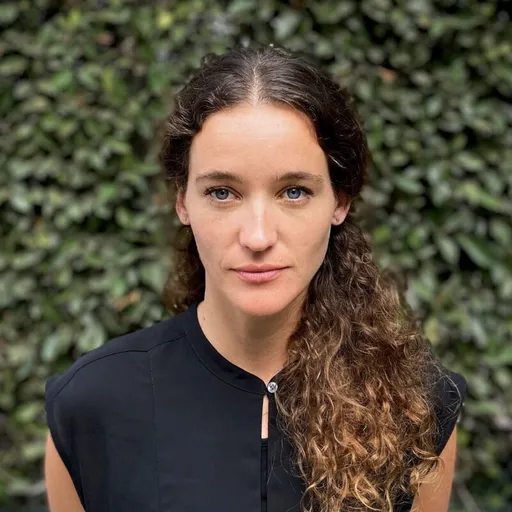
Loes Olde Loohuis, Ph.D., is a researcher in the Department of Psychiatry & Biobehavioral Sciences at UCLA. Dr. Olde Loohuis's research is dedicated to unraveling the genetic and molecular underpinnings of severe mental illnesses, with a particular focus on schizophrenia and bipolar disorder. Utilizing and advancing computational and systems neuroscience approaches, their work integrates multi-level data, including psychiatric phenotypes, health records, and molecular data, to gain a comprehensive understanding of these complex disorders.
Dr. Olde Loohuis employs large-scale genetic methodologies, such as quantitative trait loci (QTL) mapping and genome-wide association studies (GWAS), to identify genetic variants and cerebrospinal fluid metabolite associations linked to brain structure, function, and psychiatric conditions. Their contributions include significant work on the genetic basis of psychiatric disorders, brain gene co-expression networks, and the synaptic pathology in neurological disease. Notable publications from their lab have explored the genetic and clinical analyses of psychosis spectrum symptoms in youth and variations in mood and psychotic disorder distribution across populations. This research aims to illuminate the biological mechanisms critical for brain health and disease.
Source: Gemini AI · Updated 8 months ago
Dr. Loes Olde Loohuis’ research focuses on elucidating the underlying molecular mechanisms of severe mental illness, in particular schizophrenia and bipolar disorder, by utilizing and developing computational approaches to leverage multi-level data (including psychiatric phenotypes, health records and molecular phenotypes).
Loes Olde Loohuis's research primarily focuses on identifying the genetic and molecular underpinnings of complex brain-related phenotypes and neurological disorders. They employ large-scale genetic approaches, including quantitative trait loci (QTL) mapping and genome-wide association studies (GWAS), to discover genetic variants and metabolic biomarkers in cerebrospinal fluid associated with brain structure, function, and conditions like schizophrenia. This work aims to elucidate the biological mechanisms critical for brain health and disease.
Research topics extracted by AI (Google Gemini) from this member’s publications.
Papers by NIH iCite research category (1 of 10 papers classified) · trials from ClinicalTrials.gov · patents from USPTO.
10 publications · h-index 37 · PubMed, ORCID and the BRI profile
Showing 10 of 10
Kim M, Haney JR, Zhang P, et al.
Loohuis LM, Albersen M, de Jong S, et al.
Olde Loohuis LM, Mennigen E, Ori APS, et al.
Song J, Ramírez MC, Okano JT, et al.
Somers M, Olde Loohuis LM, Aukes MF, et al.
Reus LM, Boltz T, Francia M, et al.
Fu M, Yan Y, Olde Loohuis LM, et al.
Institute members who share papers or grants with this researcher




AI-generated
Generated automatically from this profile's public data to suggest possibilities. Treat them as starting points rather than recommendations.
R01 from NIMH
The researcher has an established program investigating the molecular and genetic mechanisms underlying psychiatric disorders, exemplified by their work on schizophrenia gene networks and CSF metabolites for brain-related phenotypes. An R01 from NIMH would support hypothesis-driven research to advance fundamental understanding and identify therapeutic targets for mental illnesses.
R21 from NIMH
This mechanism would enable the researcher to pursue highly innovative, high-risk/high-reward pilot studies based on their multi-omics findings. For example, exploring novel genetic or metabolic biomarkers for early disease detection or atypical presentation of brain-related phenotypes, which could lead to paradigm-shifting discoveries for mental health.
U01 or U19 (Cooperative Agreement) from NIH (e.g., NIMH, NIA)
The researcher's demonstrated expertise in contributing to and leveraging large-scale genetic consortia and analyzing complex biological datasets (e.g., CSF metabolomics, gene expression networks) makes them an excellent candidate for cooperative agreements. These mechanisms support multi-investigator, multi-site projects focused on developing significant research resources, generating large datasets for broad use, or conducting complex translational studies in brain health and disease.
Shared papers, topics or department