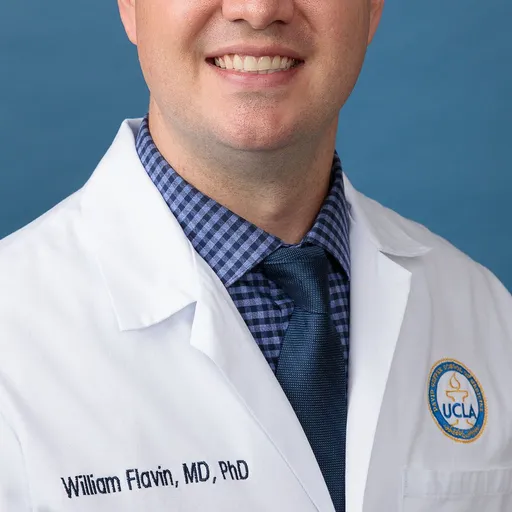
I am a physician-scientist with the longstanding goal of understanding cellular and molecular mechanisms of neurodegeneration, especially in Alzheimer’s disease and related dementias (ADRD) and Parkinson’s disease (PD), where these discoveries will lead to innovative diagnostics and therapeutics. As a former Division I collegiate football student athlete, I am particularly interested in advancing a mechanistic understanding of traumatic brain injury (TBI)-related neurodegeneration such as in chronic traumatic encephalopathy (CTE). During my PhD training with Dr. Edward Campbell, I explored the mechanisms mediating prion-like transcellular propagation of protein aggregates. By applying methods used to model host-pathogen interactions, my work illuminated a novel mechanism of cellular invasion, through endocytic vesicle rupture, by which aggregates of alpha-synuclein, tau, and polyglutamine-expanded huntingtin gain access to the cytosol following uptake into a recipient cell. In parallel, I discovered that disease-causing mutations, post-translational modifications, and aggregate conformational structure modulate this uptake mechanism. This work motivated my fascination with the interactions between diverse protein aggregates and the dynamic cellular environment, and how this interaction dictates cell fate, either resilience and survival or vulnerability and disease progression. My professional goal is to become a clinical and research leader in the fields of TBI and neurodegeneration, working as an academic neurologist leading an NIH-funded research laboratory focused on elucidating the cellular machinery governing neurodegenerative disease progression and discovering new mechanisms to enhance treatment strategies. In pursuit of this vision, I completed my residency in neurology at UCLA and am currently engaged in a clinical instructorship in sports neurology and traumatic brain injury. Supported by the NINDS-funded R25/UE5 program, I am now completing my post-doctoral research training with Dr. Chao Peng at UCLA who has pioneered methods to study the conformational diversity and cellular transmission of pathological proteins derived from post-mortem human brain. Bringing my interest in mechanisms of aggregate uptake through the endolysosomal system to the expertise of the lab in modeling cell environmental influences on disease progression, I characterized the influence of aging-related genetic changes on the cytosolic growth of tau aggregates. Furthermore, I engineered a novel inducible cell biosensor system for studying human AD brainderived tau aggregate amplification and degradation, enabling high-throughput analysis of chemical or genetic modifiers of aggregation dynamics. This project constitutes the first step toward a broader goal which is characterizing disease-specific interactions between diverse protein aggregates and the cellular environment to identify mechanisms of resilience to degeneration. In the current K08 proposal, I will investigate the functional differences between structurally distinct tau aggregates isolated from AD and CTE post-mortem brain, focusing on aggregation dynamics, uptake into the cytoplasm, and cell-to-cell transmission. I will extend and validate these findings by investigating cellular mechanisms of resilience to pathology, both in the end lysosomal damage response as well as in changes associated with aging. This work will deliver a method for studying the aggregation dynamics of CTE tau where no such models currently exist, and will allow mechanistic insight into ADRD disease progression.