Stepwise recruitment of transcellular and paracellular pathways underlies blood-brain barrier breakdown in stroke. (opens in a new tab)
Knowland D, Arac A, Sekiguchi KJ, et al.
2014523 citationsRCR 17.0699th percentile

Metrics: Manual · Updated 1 month ago
AI-generated biography
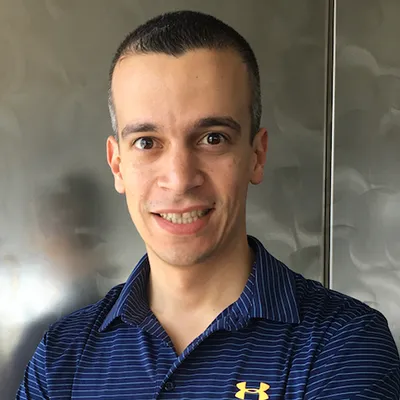
Ahmet Arac, M.D., is an Assistant Professor in the Department of Neurology at the David Geffen School of Medicine, University of California, Los Angeles. His research program is dedicated to unraveling the complex mechanisms of neurological injury and recovery, with a particular focus on stroke. Dr. Arac investigates the roles of meningeal mast cells and molecular pathways in blood-brain barrier disruption following ischemic stroke, while also exploring novel therapeutic avenues such as neural stem cell transplantation for promoting axonal sprouting and functional recovery. He is also at the forefront of developing and applying machine and deep learning techniques for advanced 3D kinematic analysis in neurorehabilitation, enabling precise quantification of movement disorders and assessment of treatment outcomes. His contributions to the field are evidenced by high-impact publications, including seminal work on blood-brain barrier breakdown in stroke and optogenetic stimulation for stroke recovery, and significant grant support from the National Institutes of Health.
Source: Gemini AI · Updated 8 months ago
Ahmet Arac's research centers on understanding and improving recovery from neurological conditions, especially stroke. Their work investigates the cellular and immune mechanisms driving stroke pathology and explores therapeutic strategies, including immune modulation and stem cell approaches. Concurrently, they develop and apply advanced machine and deep learning tools for precise 3D kinematic analysis to quantify movement and assess outcomes in neurorehabilitation.
Research topics extracted by AI (Google Gemini) from this member’s publications.
19 publications · h-index 15 · PubMed, ORCID and the BRI profile
Showing 10 of 19
Knowland D, Arac A, Sekiguchi KJ, et al.
Cheng MY, Wang EH, Woodson WJ, et al.
Daadi MM, Davis AS, Arac A, et al.
Daadi MM, Li Z, Arac A, et al.
Garris CS, Wu L, Acharya S, et al.
Arac A, Brownell SE, Rothbard JB, et al.
Arac A, Blanchard V, Lee M, et al.
Arac A, Lee M, Steinberg GK, et al.
Daadi MM, Lee SH, Arac A, et al.
Arac A, Grimbaldeston MA, Nepomuceno AR, et al.
$2.3M total · 3 NIH grants · 2 active
R21NS146912Co-PI2026–2028
R56HD120560Contact PI2026–2028
R21NS146912Co-PIFY2026
R56HD120560Contact PIFY2026
Motor cortex network dynamics driving stroke recovery (NIH RePORTER, opens in a new tab)
K08NS109315Contact PIFY2018–2022
Institute members who share papers or grants with this researcher
AI-generated
Generated automatically from this profile's public data to suggest possibilities. Treat them as starting points rather than recommendations.
R01 (Research Project Grant)
The R01 is the cornerstone of NIH funding for independent investigators and the natural progression for someone transitioning from a K08 mentored career development award. The researcher has already generated preliminary data through their R21 (epilepsy) and K08 (stroke recovery) grants. An R01 would allow them to establish a robust, independent research program in either or both of these critical disease areas, expanding on their current findings and pursuing a sustained line of inquiry over several years. This mechanism is crucial for solidifying their independence and leading their own research lab.
DP2 (NIH Director's New Innovator Award)
This mechanism is ideal for 'new investigators' (which a K08 recipient typically is, as they are establishing their independent research program) who propose exceptionally creative, high-risk/high-reward research projects. Given the researcher's affiliation with UCLA and their focus on complex neurological disorders like stroke and epilepsy, they are likely positioned to pursue transformative research. The DP2 provides substantial, flexible funding to support bold ideas that might be too innovative or unconventional for a traditional R01 at an early career stage, fostering groundbreaking discoveries.
U01 (Research Project Cooperative Agreement)
Given the researcher's K08 (Mentored Clinical Scientist Research Career Development Award) and their focus on stroke recovery and epilepsy, there's a strong indication of clinical and translational research interests. A U01 is often used for large-scale, multi-site studies, clinical trials, or complex projects requiring substantial NIH staff involvement and coordination. This mechanism would be highly suitable if their research on motor cortex dynamics in stroke recovery or hippocampal representations in epilepsy is ready to scale up to larger patient cohorts, multi-institutional collaborations, or intervention-focused studies, enabling a broader impact than a standard R01.
Ahmet's expertise in motor control and neurorehabilitation, particularly with machine learning analysis of movement, directly complements Aydin's work on wireless vagus nerve stimulation, creating a strong potential for integrated therapeutic interventions.
Project idea: They could collaborate on developing and testing a closed-loop neurorehabilitation system that uses wirelessly delivered vagus nerve stimulation, modulated by machine learning analysis of stroke patient movement data, to enhance motor recovery.
 Kate WassumPsychologyFit 8/10
Ahmet's expertise in motor control and machine learning for neurorehabilitation directly complements Kate's research on reward, decision-making, and addiction, particularly in understanding how neural circuits underpinning motivation and goal-directed behavior are affected by neurological damage and can be targeted for rehabilitation.
Project idea: They could investigate how altered dopamine signaling and anterior cingulate cortex function in addiction impact motor rehabilitation outcomes in stroke patients, using machine learning to analyze kinematic data and identify neural correlates of improved motor control.
 Ausaf BariNeurosurgeryFit 7/10
Ahmet's expertise in motor control and machine learning for neurorehabilitation directly complements Ausaf's general neuroscience research, particularly if Ausaf focuses on neurosurgical interventions impacting motor function.
Project idea: They could investigate how specific neurosurgical interventions (from Ausaf's domain) impact motor control and how machine learning (from Ahmet's domain) can be used to predict or optimize recovery.
 Laura DeNardoPhysiologyFit 7/10
Ahmet's expertise in motor control and machine learning for neurorehabilitation can be significantly enhanced by Laura's foundational neuroscience research, allowing for a deeper understanding of the underlying physiological mechanisms of motor deficits and recovery.
Project idea: They could investigate the neurophysiological underpinnings of motor learning in stroke patients using machine learning to analyze neural signals correlated with kinematic improvements.
 Dean BuonomanoNeurobiologyFit 7/10
Ahmet's work on motor control and neurorehabilitation, particularly with machine learning for kinematic analysis, strongly complements Dean's research on neural encoding of temporal patterns. Combining their expertise could lead to a deeper understanding of how temporal neural codes underpin motor learning and recovery after stroke.
Project idea: They could investigate how disruptions in neural encoding of temporal patterns, as studied by Buonomano, contribute to motor control deficits in stroke patients, and how Arac's machine learning approaches can be used to decode and potentially restore these temporal dynamics for improved neurorehabilitation.
 Neil HarrisNeurosurgeryFit 7/10
Ahmet's expertise in motor control and machine learning for neurorehabilitation strongly complements Neil's work on TBI pathogenesis and epilepsy biomarkers, creating a pathway to understand and improve motor outcomes after brain injury.
Project idea: They could collaborate on a project investigating how specific TBI-induced pathological mechanisms (studied by Neil) influence motor recovery trajectories and how machine learning (used by Ahmet) can predict and optimize rehabilitation strategies for these patients.
 Alicia IzquierdoPsychologyFit 7/10
Their research areas complement each other well, bridging computational approaches to motor control and learning/decision-making, which can inform complex rehabilitation strategies.
Project idea: Investigate how reinforcement learning principles and uncertainty processing (Izquier) influence motor learning and adaptation after stroke (Arac).
Ahmet's expertise in machine learning for motor control in stroke patients, combined with S. Lawrence's deep knowledge of neuronal wiring and circuit assembly, could lead to novel insights into how neural circuits are re-established and function after injury.
Project idea: They could investigate how machine learning can identify and guide the restoration of specific neuronal circuits involved in motor control after stroke.
Ahmet's expertise in motor control, neurorehabilitation, and machine learning directly complements Scott's broad neuroscience research, offering a pathway to apply computational methods to understand and improve neurological function.
Project idea: They could collaborate on a project using machine learning to analyze complex neurophysiological data from Scott's neuroscience studies, aiming to identify novel biomarkers for motor recovery in conditions studied by Ahmet.
 Thomas O’DellPhysiologyFit 7/10
Ahmet's expertise in motor control and machine learning for neurorehabilitation could be enhanced by Thomas's fundamental research on synaptic plasticity and learning mechanisms in the hippocampus, offering a bridge between basic science and clinical application.
Project idea: They could investigate how impaired synaptic plasticity in hippocampal CA1, studied by O'Dell, contributes to motor control deficits in stroke patients, and how machine learning approaches, developed by Arac, could be used to target and improve these plasticity mechanisms for rehabilitation.
Ahmet's expertise in motor control and machine learning for neurorehabilitation could inform Luis's work on neuronal diversity and gene networks by providing a system to study how these networks impact functional outcomes in neurological disorders, potentially revealing underlying genetic mechanisms.
Project idea: They could investigate the genetic basis of motor recovery in stroke patients by analyzing gene co-expression networks in relation to kinematic data and machine learning-derived rehabilitation outcomes.
 Keith HolyoakPsychologyFit 7/10
Arac's work on motor control and neurorehabilitation using machine learning, combined with Holyoak's expertise in analogical reasoning and computational models of cognition, offers a strong potential for synergistic collaboration. Holyoak's theories on how humans learn and transfer knowledge could inform the development of more sophisticated and personalized machine learning algorithms for Arac's neurorehabilitation research, enabling machines to learn and adapt more like the human brain.
Project idea: They could collaborate on developing and testing novel machine learning models for stroke rehabilitation that leverage principles of analogical reasoning to improve motor skill transfer and generalization to novel tasks.
Their research areas complement each other by linking gut-brain axis mechanisms to motor control deficits, offering a novel perspective on neurorehabilitation for stroke patients.
Project idea: Investigate how gut microbiome interventions (manipulated by Hsiao's expertise) impact motor recovery and kinematic analysis (studied by Arac's methods) in stroke patients.
 Barbara KnowltonPsychologyFit 7/10
Ahmet's expertise in machine learning for neurorehabilitation and motor control in stroke patients could be significantly enhanced by Barbara's insights into learning, habit formation, and decision-making across the lifespan, particularly in aging and the effects of early life stress.
Project idea: They could collaborate on a project investigating how altered decision-making and habit formation processes in aging or post-stroke individuals, studied by Barbara, influence motor relearning and the effectiveness of machine learning-based neurorehabilitation interventions developed by Ahmet.
 Zili LiuPsychologyFit 7/10
Ahmet's expertise in motor control and machine learning for neurorehabilitation, combined with Zili's research on visual perceptual learning and motion discrimination, offers a strong interdisciplinary link to understanding how visual feedback and learning can impact motor recovery.
Project idea: They could investigate how targeted visual perceptual training, informed by Zili's work, can accelerate or enhance motor learning and rehabilitation outcomes in stroke patients, as measured by Ahmet's machine learning kinematic analyses.
 Sotiris MasmanidisNeurobiologyFit 7/10
Ahmet's focus on motor control and machine learning in stroke rehabilitation could benefit from Sotiris's expertise in neural circuits, dopamine signaling, and temporal encoding, particularly in understanding the underlying neural mechanisms of motor recovery. Combining their skills could lead to novel insights into how neural activity drives and is modulated during motor learning and rehabilitation.
Project idea: They could collaborate on a project to use machine learning to analyze neural population dynamics (from Sotiris's work) during motor tasks in stroke patients (Ahmet's population) to identify neural signatures predictive of rehabilitation success.
 Ladan ShamsBioengineeringFit 7/10
Ahmet's expertise in motor control and machine learning for neurorehabilitation complements Ladan's work on auditory modulation of visual cortex and multisensory integration, suggesting potential for investigating how sensory feedback (auditory) impacts motor recovery after stroke.
Project idea: They could collaborate on a study using machine learning to analyze how auditory stimuli influence motor task performance and brain activity in stroke patients undergoing rehabilitation.
 Andrew WikenheiserPsychologyFit 7/10
Their research areas complement each other well, with Arac's focus on motor control and neurorehabilitation providing a clinical application for Wikenheiser's foundational neuroscience research on decision-making and neural coding.
Project idea: They could investigate how the neural mechanisms of effort-delay trade-offs and uncertainty in decision-making, studied by Wikenheiser, influence motor rehabilitation strategies and outcomes in stroke patients, as researched by Arac.
Ahmet's expertise in motor control and machine learning for neurorehabilitation could be applied to analyze complex neural and behavioral data generated by Xiangdong's work on TBI mechanisms and glial cell repair in the context of neurological disorders.
Project idea: They could collaborate on a project investigating how glial cell-mediated neural repair influences motor recovery in stroke patients using machine learning to analyze high-resolution imaging and kinematic data.
 Mario DipoppaNeurobiologyFit 6/10
Ahmet's expertise in motor control and machine learning for rehabilitation could be applied to understand neural adaptation in visual cortex, potentially leading to novel rehabilitation strategies.
Project idea: Investigate how visual cortex adaptation (Mario's work) influences motor control recovery in stroke patients (Ahmet's work) using machine learning analysis of movement kinematics.
Ahmet's expertise in motor control and machine learning for neurorehabilitation could offer a valuable computational and analytical framework to study the neural circuit and neurotransmitter dysregulation in psychiatric disorders, particularly those with motor or cognitive symptomology, that Gil investigates.
Project idea: They could collaborate on a project using machine learning to analyze motor control deficits in individuals with schizophrenia or autism spectrum disorders, correlating these with identified prefrontal cortex circuit anomalies and neurotransmitter imbalances.
Ahmet's expertise in motor control and machine learning for neurorehabilitation, particularly in stroke patients, could be enhanced by Gina's insights into sleep's role in memory consolidation and neural circuit dynamics, offering a novel perspective on recovery.
Project idea: They could investigate the impact of specific sleep patterns on motor learning and recovery in stroke patients, utilizing Ahmet's kinematic analysis and machine learning tools alongside Gina's expertise in sleep-brain interactions.
 David GlanzmanNeurobiologyFit 6/10
Ahmet's work on motor control and neurorehabilitation, particularly using machine learning for movement analysis, could provide a sophisticated quantitative framework to investigate David's fundamental research into the cellular and molecular mechanisms of learning and memory, especially in the context of restoring learned motor skills after injury.
Project idea: They could collaborate on a project investigating how specific molecular pathways (studied by Glanzman) underpin the effectiveness of machine learning-driven neurorehabilitation techniques (developed by Arac) in stroke patients relearning motor tasks.
 William GrishamPsychologyFit 6/10
While their core research areas differ, Ahmet's expertise in machine learning for neurorehabilitation and William's in computational neuroscience and neuroendocrine influences on brain development offer potential for novel interdisciplinary work.
Project idea: They could collaborate on a project investigating how early-life endocrine disruptors, which William studies, might impact motor control development and recovery trajectories in later life, using Ahmet's machine learning approaches for quantitative kinematic analysis in preclinical models or patient populations.
 Steve CannonPhysiologyFit 6/10
Ahmet's expertise in motor control and machine learning for neurorehabilitation could be powerfully complemented by Steve's deep understanding of skeletal muscle physiology and ion channel function, particularly in the context of neuromuscular disorders.
Project idea: They could investigate how specific skeletal muscle sodium channelopathies, as studied by Steve, affect motor control and rehabilitation outcomes in stroke patients, utilizing Ahmet's machine learning tools to analyze kinematic data and identify personalized rehabilitation strategies.
Ahmet's focus on motor control and machine learning for rehabilitation directly benefits from Christopher's broader neuroscience expertise, potentially enabling a deeper understanding of the neural underpinnings of motor recovery.
Project idea: They could investigate how specific neural mechanisms identified by Christopher's lab influence motor learning and rehabilitation outcomes in stroke patients, using Ahmet's machine learning tools for objective assessment.
 Tanuj GulatiMedicineFit 6/10
Ahmet's expertise in motor control and machine learning for neurorehabilitation complements Tanuj's broader neuroscience research, offering a pathway to apply computational methods to understand neurological mechanisms.
Project idea: They could collaborate on a project using machine learning to analyze novel neural data collected by Tanuj to identify biomarkers for motor recovery in stroke patients, building on Ahmet's existing work.
 Samantha ButlerNeurobiologyFit 4/10
Their research areas are complementary, with Ahmet focusing on motor control and rehabilitation at a systems/behavioral level and Samantha focusing on cellular and molecular mechanisms of neural development. While not directly overlapping, a bridge could be formed.
Project idea: Investigating how early neural progenitor cell differentiation (Samantha's work) might influence motor control recovery after stroke (Ahmet's work) by using machine learning to analyze subtle motor changes in models relevant to Samantha's research.
 Greg FieldOphthalmologyFit 3/10
Ahmet's expertise in motor control and machine learning for neurorehabilitation has a weak connection to Greg's focus on retinal degeneration and ganglion cell function. While both involve neural systems, their specific areas are quite distinct.
Project idea: A very indirect collaboration might explore how visual impairments resulting from retinal degeneration (Greg's area) could impact motor control rehabilitation strategies (Ahmet's area), though this would likely require significant bridging expertise.
 Felix SchweizerNeurobiologyFit 3/10
While both researchers are in neurobiology/neurology, their core focus areas (motor control/rehabilitation vs. molecular/cellular neurotransmission) are quite distinct, limiting immediate synergistic potential.
Project idea: They could collaborate on a project investigating how specific environmental toxicants (Schweizer's expertise) impact motor control deficits (Arac's expertise) in animal models, using machine learning for kinematic analysis.
 Bridget CallaghanPsychologyFit 3/10
Their research areas are distinct, with Ahmet focusing on motor control and neurorehabilitation using machine learning, and Bridget on the gut-brain axis and maternal psychology. While both involve the brain, there's no immediate overlap or complementarity.
Project idea: A very indirect collaboration might involve examining if maternal adversity (Bridget's area) affects motor development and rehabilitation outcomes (Ahmet's area) in offspring, though this would require significant bridging of their specific methodologies.
 Arpana GuptaMedicineFit 3/10
While both researchers are at the UCLA Brain Research Institute, their core research areas (motor control/neurorehabilitation and the gut-brain axis in IBS) have limited direct overlap, making complementary expertise a stretch.
Project idea: A very indirect collaboration might explore if motor deficits or changes in motor control could be a downstream effect of gut-brain axis dysregulation in certain patient populations, although this is speculative.
 Hakeem O. LawalNeurobiologyFit 3/10
Ahmet's focus on motor control and neurorehabilitation using machine learning, and Hakeem's expertise in neurotransmitter systems and neurobiology, have a weak complementary connection. While both are in neuroscience, their direct research areas don't immediately align for a highly synergistic project without significant bridging.
Project idea: They could potentially collaborate on a project investigating how specific neurotransmitter system dysfunctions (Hakeem's expertise) impact motor control recovery and rehabilitation outcomes in stroke patients (Ahmet's expertise), using machine learning to analyze the resulting motor patterns.
Their research areas are quite disparate, with one focusing on motor control and neurorehabilitation using machine learning, and the other on epigenetics and retinal vessel segmentation. There isn't an obvious direct overlap in their core methodologies or biological targets.
Project idea: A highly indirect collaboration might explore whether epigenetic markers (Zhang's area) influence the trajectory of motor recovery in stroke patients (Arac's area), though this would require significant bridging expertise.
 Avishek AdhikariPsychologyFit 3/10
While both researchers work within the broad field of neuroscience, their specific research areas are quite distinct. Avishek focuses on innate and learned defensive behaviors, while Ahmet focuses on motor control and rehabilitation after stroke. There is a lack of direct overlap.
Project idea: A potential, albeit indirect, collaboration could explore how motor deficits in stroke patients might impact the expression or learning of defensive behaviors, though this would require significant bridging of their current research scopes.
 Austin ColeyNeurobiologyFit 2/10
Their research areas are largely disparate, focusing on distinct levels of analysis (clinical rehabilitation vs. molecular neurobiology) and different neurological conditions (stroke vs. schizophrenia).
Project idea: Given the lack of direct overlap, a collaborative project is difficult to envision without a significant shift in one or both researchers' focus.
 Jeffrey DonleaNeurobiologyFit 2/10
Their research areas (human motor control rehabilitation vs. insect sleep biology) are too disparate, lacking direct overlap or complementarity to address a shared research question.
Project idea: A collaboration is unlikely to be productive given the lack of common research ground.
While both researchers are at the UCLA Brain Research Institute, their fields (neurology/neurorehabilitation and molecular/developmental biology focused on the gut-brain axis and FASD) have very limited direct overlap and would require significant bridging to find common ground.
Project idea: A highly speculative project could explore the impact of early-life neurodevelopmental insults (like FASD) on motor control outcomes in later life, potentially mediated by gut microbiome changes, though this is a substantial leap.
While both researchers investigate neural mechanisms, their specific areas of focus (motor control in stroke vs. vocal learning and speech production) and methodologies (machine learning for neurorehabilitation vs. genetics and cellular mechanisms) are largely disparate.
Project idea: There is no readily apparent project that leverages complementary aspects of their current research.
Their research areas (neurology/motor control and ophthalmology/gene expression) are fundamentally distinct with no direct overlap or clear complementary aspects. Combining their expertise would not inherently address a shared research question.
Project idea: There is no readily apparent project or study that would naturally leverage the distinct expertise of both researchers.
The research areas of motor control and neurorehabilitation, and alternative pre-mRNA splicing regulation are disparate, with no immediate or obvious connection to leverage combined expertise.
Project idea: Given the lack of clear overlap, it is difficult to propose a specific collaborative project at this time.
 Jack FeldmanNeurobiologyFit 2/10
Their research areas are largely disparate. Arac focuses on motor control rehabilitation and machine learning applications, while Feldman studies the neural circuitry of breathing. There is no clear overlap or complementary expertise that would readily facilitate a collaboration.
Project idea: Given the lack of direct connection, a collaborative project is not readily apparent without significant reorientation of one or both researchers' core focus.
Shared papers, topics or department