
Large-Scale Exome Sequencing Study Implicates Both Developmental and Functional Changes in the Neurobiology of Autism. (opens in a new tab)
Satterstrom FK, Kosmicki JA, Wang J, et al.
20201,627 citationsRCR 76.1599th percentile


Assistant Professor
David Geffen School of Medicine
AI-generated biography
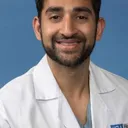
Aparna Bhaduri, Ph.D., is an Assistant Professor in the Department of Biological Chemistry at the David Geffen School of Medicine, University of California, Los Angeles. Dr. Bhaduri earned her Ph.D. from UCLA, where her research focused on neural development, degeneration, and repair, with a particular emphasis on brain tumors. Her laboratory investigates the fundamental processes of cell subtype specification and lineage determination during human cortical development, as well as the cellular and molecular mechanisms underlying glioblastoma pathogenesis.
Dr. Bhaduri's significant contributions include the development and application of human brain organoid models to study neurological diseases and developmental processes. Her work leverages integrated single-cell multi-omics analysis to profile human brain development and glioblastoma, aiming to identify and target therapeutic vulnerabilities in these aggressive cancers. Notable achievements include high-impact publications exploring the molecular basis of neurodevelopmental disorders and brain tumor microenvironments, and securing major grants from the National Institutes of Health to further elucidate the regulation of cell fate specification in human cortical development.
Source: Gemini AI · Updated 8 months ago
Aparna Bhaduri's research centers on unraveling the intricacies of human brain development, particularly focusing on cell subtype specification in the cortex, and how these processes are disrupted in aggressive brain cancers like glioblastoma. Utilizing advanced human organoid models, their work investigates the cellular and molecular mechanisms driving normal development, disease pathogenesis, and the complex interactions within the tumor microenvironment, including immune responses, to identify novel therapeutic avenues.
Research topics extracted by AI (Google Gemini) from this member’s publications.
63 publications · h-index 40 · PubMed, ORCID and the BRI profile
Showing 10 of 63
Satterstrom FK, Kosmicki JA, Wang J, et al.
Ji AL, Rubin AJ, Thrane K, et al.
Nowakowski TJ, Bhaduri A, Pollen AA, et al.
Velmeshev D, Schirmer L, Jung D, et al.
Müller S, Kohanbash G, Liu SJ, et al.
Schirmer L, Velmeshev D, Holmqvist S, et al.
Bhaduri A, Andrews MG, Mancia Leon W, et al.
Pollen AA, Bhaduri A, Andrews MG, et al.
Fiddes IT, Lodewijk GA, Mooring M, et al.
Parker KR, Migliorini D, Perkey E, et al.
$2.8M total · 2 NIH grants · 1 active
R01MH132689Contact PI2024–2029
R01MH132689Contact PIFY2024–2026
Understanding Brain Development Through the Lens of Metabolism (NIH RePORTER, opens in a new tab)
R00NS111731Contact PIFY2019–2023
Institute members who share papers or grants with this researcher






AI-generated
Generated automatically from this profile's public data to suggest possibilities. Treat them as starting points rather than recommendations.
P01 (Program Project Grant)
Given the researcher's success with multiple R01s covering complementary areas like 'cell fate specification' and 'metabolism in brain development' within the context of 'human cortical development' and 'neurodevelopmental disorders,' a P01 would be a logical next step. This mechanism supports integrated, multi-project research programs that share a common theme, allowing for a more comprehensive and synergistic attack on complex scientific problems than individual R01s. The researcher could lead a P01 that brings together multiple PIs to explore various facets of neurodevelopmental disorder etiology, incorporating both cellular and metabolic perspectives.
P50 (Specialized Center Research Grant)
With an established track record in human cortical development and neurodevelopmental disorders, this researcher is well-positioned to lead or be a key PI in a P50 Specialized Center. P50s support comprehensive research programs that typically focus on a specific disease, organ system, or research area, often involving multiple investigators, shared resources (cores), and pilot projects. The researcher could propose a center focused on the 'Etiology of Neurodevelopmental Disorders' or 'Human Cortical Development,' fostering collaboration and providing institutional infrastructure for cutting-edge research in these critical areas.
U01 (Research Project Cooperative Agreement)
As an established and successful PI, the researcher might be interested in participating in or leading larger, often multi-site, collaborative research efforts that require substantial NIH involvement. U01s are used for projects where the NIH desires a 'cooperative' relationship with the investigators, often for specific program goals, clinical trials, or large-scale cohort studies. This could be particularly relevant if their work on neurodevelopmental disorders leads to opportunities for multi-center studies on disease mechanisms, biomarker identification, or early-phase therapeutic development aligned with specific NIH initiatives.
Shared papers, topics or department