Loading profile…

Professor
Metrics: Semantic Scholar · Updated 8 months ago
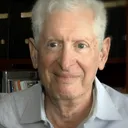
Jesse Rissman joined the UCLA faculty in 2011 and holds appointments in the Departments of Psychology and Psychiatry & Biobehavioral Sciences. He earned his ScB in Cognitive Neuroscience from Brown University, his PhD in Psychology from the University of California, Berkeley, and subsequently completed a postdoctoral fellowship at Stanford University. His research investigates how goal-directed attention shapes memory processes across short and long timescales. Using a combination of functional MRI, transcranial brain stimulation, diffusion tensor imaging, and eye-tracking, his lab examines the neural mechanisms underlying memory formation, maintenance, and retrieval. Dr. Rissman develops and applies advanced neuroimaging methods, using multi-voxel pattern analysis to decode mental representations and connectivity modeling techniques—both functional and structural—to examine interactions between brain regions that support memory and attentional control. His work has illuminated how prefrontal control systems prioritize relevant information and suppress distractions, and how these dynamic processes influence what is remembered. He often employs naturalistic paradigms, such as immersive virtual reality and wearable cameras, to study autobiographical memory and cognition in real-world settings. In addition to characterizing memory mechanisms in healthy individuals, his research extends to aging and clinical populations, with the goal of understanding how memory and cognitive control processes are altered in these groups.
Source: BRI Website (AI extract) · Updated 8 months ago
Jesse Rissman's research investigates the cognitive and neural mechanisms underlying human memory, focusing on how memory is encoded, retrieved, and can be enhanced. Employing advanced techniques such as neuroimaging (e.g., tDCS, fMRI) and virtual reality, their work explores memory optimization strategies and examines the practical and ethical implications of brain-based memory detection and "mind reading."
Research topics extracted by AI (Google Gemini) from this member’s publications.
27 publications · h-index 33 · PubMed, ORCID and the BRI profile
Institute members who share papers or grants with this researcher





AI-generated
Generated automatically from this profile's public data to suggest possibilities. Treat them as starting points rather than recommendations.
R01 from the National Institute of Mental Health (NIMH)
Dr. Rissman's extensive work on fundamental memory mechanisms (episodic, semantic, working memory), cognitive control, individual differences, and the neural correlates of these processes using fMRI and other neuroimaging techniques aligns directly with NIMH's mission to understand mental processes and behavior. His strong publication record demonstrates readiness for independent, hypothesis-driven research projects.
R01 from the National Institute on Aging (NIA)
Several publications highlight an interest in memory in older adults ('value-directed remembering in older adults') and developing interventions for cognitive enhancement (tDCS, VR, memory strategies). This focus on preserving and improving memory function across the lifespan, particularly in aging populations, aligns perfectly with NIA's priorities for research into healthy cognitive aging and age-related cognitive decline.
R21 from the National Institute of Mental Health (NIMH) or National Institute on Aging (NIA)
An R21 mechanism is suitable for exploratory, high-risk/high-reward, or pilot projects. Dr. Rissman's work on novel methodologies ('reliability convergence to select and optimize cognitive tasks') and innovative interventions (VR, high-definition tDCS) could benefit from an R21 to pilot new applications in specific populations or explore very novel theoretical avenues that require preliminary data to support a larger R01 application.
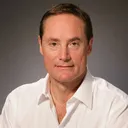
 Dean BuonomanoNeurobiologyFit 7/10
Buonomano's work on neural encoding of temporal patterns could be significantly enhanced by Rissman's expertise in individual differences in cognitive task performance and computational modeling, allowing for a more nuanced understanding of how these neural mechanisms manifest behaviorally across individuals.
Project idea: They could investigate how individual differences in cognitive abilities, as modeled by Rissman, relate to the neural mechanisms of temporal pattern encoding and prediction identified by Buonomano.
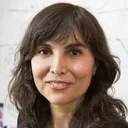
 Paul MathewsNeurologyFit 7/10
Paul Mathews' work on cerebellar circuits and motor memory, combined with Jesse Rissman's expertise in cognitive task optimization and individual differences, could offer a unique avenue to investigate the neural underpinnings of how individual variations in cognitive function, particularly those influenced by cerebellar processing, impact learning and memory.
Project idea: They could collaborate on a project examining how individual differences in cerebellar circuit function (as studied by Mathews) influence the effectiveness of optimized cognitive training tasks (as developed by Rissman) for improving motor memory or cognitive deficits.
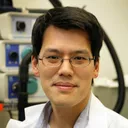
 Daniel Benjamin AharoniNeurologyFit 7/10
Researcher A's expertise in neural circuit imaging and miniaturized microscopy can provide the objective neural data to complement Researcher B's focus on cognitive task optimization and individual differences, allowing for a more comprehensive understanding of the neural underpinnings of cognitive variability.
Project idea: They could jointly investigate how variations in neural circuit activity, as measured by Aharoni's techniques, correlate with and potentially drive individual differences in cognitive task performance and the optimization of these tasks, as studied by Rissman.
 Ausaf BariNeurosurgeryFit 6/10
Researcher A's broad neuroscience expertise could be significantly enhanced by Researcher B's focus on optimizing cognitive tasks and understanding individual differences, potentially leading to more nuanced and clinically relevant findings in neurosurgery.
Project idea: They could collaborate on a project investigating how individual cognitive differences influence outcomes in neurosurgical patients undergoing specific interventions, using computational modeling to predict responses.
Shared papers, topics or department