Loading profile…

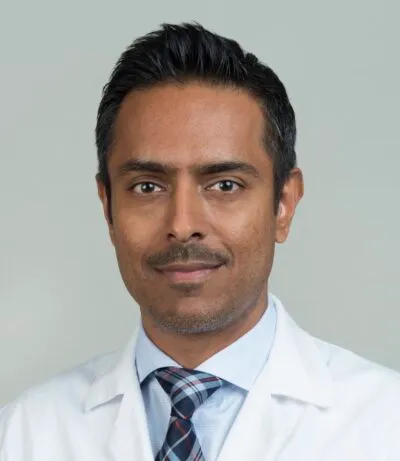
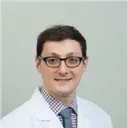
Dr. Bari specializes in the neurosurgical repair and restoration of brain and nerve function. Following his neurosurgery residency training at UCLA, Dr. Bari was awarded the prestigious William P. Van Wagenen Fellowship to train at the world-renowned functional neurosurgery program at the University of Toronto. He has extensive clinical and research experience in the use of deep brain stimulation (DBS) in the treatment of both movement and psychiatric disorders. Dr. Bari’s clinical practice includes DBS surgery for Parkinson’s disease, tremor, dystonia, depression and OCD. In addition, his clinical practice includes neurosurgery for brain tumors, pain, and peripheral nerve disorders.
Dr. Bari’s research focuses on an interdisciplinary approach to studying the neurobiology underlying movement and psychiatric disorders and expanding the frontiers of neurosurgery to treat those disorders. As a part of his fellowship training, Dr. Bari studied the relationship between the motor and reward systems of the brain and the use of deep brain stimulation to modify and enhance them. A native of California, Dr. Bari completed his neurosurgery residency training at UCLA after receiving his MD and PhD degrees from Boston University. He completed his undergraduate training at UC Berkeley in the field of neurobiology.
Source: BRI Website · Updated 8 months ago
No papers classified by NIH iCite yet · trials from ClinicalTrials.gov · patents from USPTO.
$2.9M total · 1 NIH grant · 1 active
UH3NS113661Contact PI2019–2027
UH3NS113661Contact PIFY2019–2026
2 trials on ClinicalTrials.gov
DBS of the SCC for the Treatment of Medically Refractory CLBP
Conditions: Chronic Low-back Pain
NCT04085406 on ClinicalTrials.gov (opens in a new tab)16 enrolledSponsor: University of California, Los Angeles2021–2027
Feasibility of Stimulating the Visual Cortex in Blind
Conditions: Blindness,Acquired
NCT02747589 on ClinicalTrials.gov (opens in a new tab)5 enrolledSponsor: University of California, Los Angeles2016–2026
Institute members who share papers or grants with this researcher





AI-generated
Generated automatically from this profile's public data to suggest possibilities. Treat them as starting points rather than recommendations.
K-Series Award (e.g., K08, K23, or K01)
Given the researcher's diverse interests spanning clinical interventions (DBS, epilepsy surgery, Parkinson's) and fundamental neuroscience (amygdala, nucleus accumbens, decision making), a K-Series Career Development Award would be highly beneficial. If the researcher is a physician-scientist, a K08 (Mentored Clinical Scientist Research Career Development Award) or K23 (Mentored Patient-Oriented Research Career Development Award) would provide protected time and mentorship to develop research independence in areas like novel neuromodulation strategies or BCI applications for neurological and psychiatric conditions. If they are a PhD scientist, a K01 (Mentored Research Scientist Development Award) could serve a similar purpose. This mechanism is ideal for an individual with no current NIH grants to establish their independent research program.
R21 (Exploratory/Developmental Research Grant)
An R21 grant is well-suited for high-risk, high-reward projects or for generating preliminary data for novel ideas without the extensive preliminary data requirements of an R01. This researcher could leverage an R21 to explore innovative aspects of their work, such as a new Brain Computer Interface paradigm for decision-making impairments in addiction, a novel target for neuromodulation in epilepsy, or an unconventional approach to mapping amygdala/nucleus accumbens circuits. It's an excellent stepping stone to establish initial NIH funding and generate critical data for future, larger R01 applications.
R01 (Research Project Grant) - particularly as an Early Stage Investigator (ESI) / New Investigator (NI)
While an R01 is highly competitive, it is the primary mechanism for independent investigators. If the researcher has strong preliminary data from institutional, foundation, or pilot grants, they should consider applying for an R01. As a new investigator to NIH funding, they would benefit from Early Stage Investigator (ESI) or New Investigator (NI) status, which grants special consideration during peer review. They could propose a well-developed project focusing on a specific area, such as the mechanistic basis of Deep Brain Stimulation effects on decision-making in Parkinson's, the use of intracranial EEG for brain mapping during epilepsy surgery to improve outcomes, or specific neuromodulation strategies to target addiction circuits, aiming for institutes like NINDS, NIDA, or NIMH.
Bari's broad neuroscience expertise could provide a fundamental understanding of neural systems, which Poe could then apply to her specific research on sleep and memory consolidation, potentially revealing new mechanistic insights.
Project idea: Investigate how neurosurgical interventions for conditions affecting neural circuits might impact sleep-dependent memory consolidation.
 Alicia IzquierdoPsychologyFit 7/10
Researcher A's broad neuroscience expertise, particularly in neurosurgery, could provide a clinical or translational perspective to Researcher B's detailed investigations of specific brain regions (amygdala, OFC, ACC) involved in learning and decision-making.
Project idea: They could collaborate on a study investigating how neurological conditions impacting neurosurgical outcomes relate to altered learning under uncertainty and risk, or decision-making processes.
 Dean BuonomanoNeurobiologyFit 7/10
Researcher A's broad neuroscience background, particularly in neurosurgery, could provide valuable clinical insights and potentially access to patient populations or surgical models, while Researcher B has highly specific expertise in temporal pattern encoding. Their fields are complementary rather than directly overlapping, suggesting potential for novel research.
Project idea: They could collaborate on a project investigating how the brain's temporal processing mechanisms (Researcher B's expertise) are affected by neurological conditions or surgical interventions (Researcher A's expertise), potentially exploring how to restore or improve temporal perception after injury.
 Jaime CastrellonPsychologyFit 7/10
Both researchers focus on neuroscience, suggesting a shared foundational interest. Bari's neurosurgical expertise likely involves anatomical and physiological understanding, while Castrellon's psychology background could offer insights into behavioral and cognitive aspects, creating a complementary dynamic.
Project idea: They could collaborate on a study investigating the neural underpinnings of a specific neurological disorder or cognitive function, integrating clinical observations with psychological assessments.
 Mario DipoppaNeurobiologyFit 7/10
Researcher A's broad neurosurgery and neuroscience background could provide a clinical or systems-level perspective to complement Researcher B's specific focus on neural adaptation in the visual cortex. This combination could lead to a deeper understanding of how visual processing deficits or adaptations manifest in patient populations.
Project idea: Investigate neural adaptation mechanisms in the visual cortex of patients with specific neurological conditions (e.g., stroke, optic nerve damage) to understand disease-specific processing changes.
 Peyman GolshaniNeurologyFit 7/10
Researcher B's detailed work on neural circuits and their dynamics, particularly with advanced imaging techniques, could provide crucial mechanistic insights into the broad neuroscience questions researcher A is interested in, while A's clinical neurosurgery background might offer a translational perspective.
Project idea: They could collaborate on a project investigating how specific neural circuit disruptions, potentially linked to conditions treated by neurosurgery, impact memory encoding and social behavior, utilizing B's advanced imaging tools to map these changes.
 Arpana GuptaMedicineFit 7/10
While their direct research topics appear distinct, Neurosurgery (Bari) and the Gut-Brain Axis (Gupta) can intersect, especially when considering neurological conditions that may be influenced by the gut microbiome. Combining Bari's expertise in brain mechanisms with Gupta's focus on gut-brain communication could offer a novel perspective on neurological disorders.
Project idea: They could investigate the potential role of gut microbiome dysbiosis and subsequent inflammatory pathways in the pathogenesis or exacerbation of specific neurological conditions studied by Bari, such as those involving neuroinflammation.
 Felix SchweizerNeurobiologyFit 7/10
Dr. Bari's broad neuroscience research focus and surgical expertise could complement Dr. Schweizer's deep mechanistic understanding of synaptic function and neurotoxicity, enabling translation of basic findings to potential clinical applications.
Project idea: Investigate how environmental toxicants, identified by Dr. Schweizer's research, contribute to neurodegenerative processes and cognitive deficits, potentially exploring surgical interventions or novel therapeutic targets for such conditions.
 Steven CramerNeurologyFit 7/10
Both researchers are in neuroscience, and their respective fields of Neurosurgery and Neurology are closely linked, suggesting a strong potential for complementary expertise in understanding and treating brain disorders.
Project idea: They could collaborate on research investigating the neurological underpinnings and surgical interventions for conditions like stroke recovery, epilepsy, or neurodegenerative diseases.
 Laura DeNardoPhysiologyFit 7/10
Both researchers focus on neuroscience, indicating a shared fundamental interest. Bari's neurosurgical background offers a clinical and anatomical perspective that could complement DeNar's physiological expertise, potentially leading to novel insights.
Project idea: They could collaborate on a project investigating the neural mechanisms underlying a specific neurological condition, with Bari providing clinical insights and tissue samples (ethically sourced and anonymized) and DeNar conducting in-depth physiological studies.
 Greg FieldOphthalmologyFit 7/10
While their fields are distinct, neurosurgery and ophthalmology share a common foundation in neural systems. Bridging the gap between central and peripheral nervous system function could yield novel insights.
Project idea: Investigating how neurosurgical interventions or conditions affecting the brain might indirectly impact retinal ganglion cell function and vice-versa.
 Keith HolyoakPsychologyFit 7/10
Researcher A's broad neuroscience focus and Researcher B's deep expertise in cognitive processes like analogical reasoning and relational learning offer a strong complementarity. Combining these could yield insights into the neural underpinnings of complex reasoning.
Project idea: Investigate the neural correlates of analogical reasoning in patients with specific neurological conditions, potentially using fMRI or EEG while subjects engage in tasks developed by Holyoak and administered by Bari.
 Sotiris MasmanidisNeurobiologyFit 7/10
Dr. Bari's broad neuroscience expertise, particularly in neurosurgery which implies a strong understanding of brain anatomy and surgical techniques, complements Dr. Masmanidis's detailed focus on specific neural circuits and neurobiological mechanisms. Their combined knowledge could bridge the gap between fundamental circuit function and its potential application or understanding in clinical contexts.
Project idea: Investigate the neurobiological underpinnings of social behavior deficits in neurosurgical patients by applying Dr. Masmanidis's circuit-level analysis techniques to patient populations managed by Dr. Bari.
 S. Thomas CarmichaelNeurologyFit 7/10
Dr. Bari's broad neuroscience research and Dr. Carmichael's specific expertise in neural repair mechanisms and regenerative neuroscience create a strong complementary fit, allowing for a deeper exploration of how neurosurgical interventions might foster neural repair.
Project idea: They could investigate the neurobiological mechanisms by which specific neurosurgical techniques, guided by Dr. Bari's expertise, can promote neural repair and regeneration, building upon Dr. Carmichael's foundational research.
 David ClewettPsychologyFit 7/10
Researcher A's broad neuroscience expertise, particularly in neurosurgery, could provide a critical translational and anatomical framework for Researcher B's investigations into memory and the locus coeruleus, potentially leading to new insights into how the brain's physical structure influences mnemonic processes.
Project idea: Investigating the structural and functional neural correlates of arousal-modulated memory consolidation in the context of neurosurgical interventions or conditions affecting the locus coeruleus system.
Researcher A's broad neuroscience expertise can provide a foundational understanding of neural mechanisms, which can be applied to Researcher B's specific focus on the neurobiology of addiction. This pairing offers a strong complement for investigating complex brain pathways involved in substance use disorders.
Project idea: They could collaborate on a study investigating the neural correlates of stress and inflammation in individuals with alcohol use disorder, leveraging both their basic neuroscience and addiction-specific expertise.
 Ranmal SamarasingheNeurologyFit 7/10
Their research areas complement each other well, with Dr. Bari's broad neuroscience expertise potentially enhancing Dr. Samarasignhe's specific focus on epilepsy and brain organoids.
Project idea: They could collaborate on using Dr. Bari's neurosurgical insights to inform the development and application of Dr. Samarasignhe's human brain organoid models for studying epilepsy pathophysiology.
 Ladan ShamsBioengineeringFit 7/10
Researcher A's broad neuroscience expertise, particularly in neurosurgery, could provide a clinical or anatomical framework for Researcher B's detailed investigation of visual processing modulated by auditory input. This offers a valuable interdisciplinary bridge.
Project idea: Investigating the neural underpinnings and potential clinical implications of auditory-visual cross-modal interactions in patients with neurological conditions affecting sensory processing, potentially utilizing neurosurgical insights for anatomical context or therapeutic considerations.
Researcher A's broad neurosurgery and neuroscience expertise, especially in surgical interventions or basic neuroscience, could inform and provide a clinical or biological foundation for Researcher B's advanced neuroimaging studies on developmental brain connectivity and neurodevelopmental disorders. This pairing offers a strong translational potential.
Project idea: They could investigate the neural connectivity and potential biomarkers for surgical outcomes in patients with specific neurodevelopmental conditions like 22q11.2 deletion syndrome, combining neurosurgical insights with detailed functional connectivity analysis.
 Kate WassumPsychologyFit 7/10
Dr. Bari's broad neuroscience expertise and clinical background in neurosurgery could provide a crucial translational and anatomical perspective to Dr. Wassum's detailed investigations of dopamine signaling and neural circuits in reward and addiction.
Project idea: They could collaborate on a project investigating how neurosurgical interventions or anatomical variations in specific brain regions (e.g., anterior cingulate cortex, striatum) impact dopamine signaling and goal-directed behavior in addiction models or patient populations.
 Ahmet AracNeurologyFit 7/10
Ahmet's expertise in motor control and machine learning for neurorehabilitation directly complements Ausaf's general neuroscience research, particularly if Ausaf focuses on neurosurgical interventions impacting motor function.
Project idea: They could investigate how specific neurosurgical interventions (from Ausaf's domain) impact motor control and how machine learning (from Ahmet's domain) can be used to predict or optimize recovery.
 Daniel Benjamin AharoniNeurologyFit 7/10
Researcher A's expertise in neural circuit imaging and miniaturized microscopy for freely behaving animals could provide crucial in vivo mechanistic insights for Researcher B's broader neuroscience research interests, potentially leading to novel therapeutic targets or understandings of neurological conditions.
Project idea: They could collaborate on a project to investigate neural circuit dynamics in animal models of neurological diseases relevant to neurosurgery, using Aharoni's imaging techniques to observe real-time circuit changes.
 Paul MathewsNeurologyFit 6/10
Researcher A's broad neuroscience expertise could benefit from Researcher B's specific focus on cerebellar circuit mechanisms and related cognitive and motor functions, offering a potential translational or clinical neuroscience angle.
Project idea: Investigating the role of cerebellar circuits in motor recovery or cognitive deficits in neurological conditions, potentially linking to neurosurgical interventions or outcomes.
 Bridget CallaghanPsychologyFit 6/10
While their fields are distinct (neurosurgery vs. psychology), their focus on neuroscience and the brain-gut axis offers potential for cross-disciplinary investigation, particularly concerning how maternal factors impact brain development and function.
Project idea: Investigate how maternal adversity, as studied by Callaghan, might influence neurodevelopmental pathways relevant to neurological conditions that Bari's neurosurgical expertise could inform.
Researcher A's broad neuroscience expertise could provide a foundational understanding for Researcher B's focused work on opioid receptor mechanisms, potentially leading to investigations into how neurosurgical interventions might impact opioid pathways.
Project idea: They could explore how neurosurgical interventions for conditions like chronic pain influence opioid receptor trafficking and signaling pathways.
 Austin ColeyNeurobiologyFit 6/10
Researcher A's broad neuroscience expertise could provide a valuable framework and potentially new avenues for investigation within Researcher B's specific focus on neurotransmitter dysregulation in schizophrenia.
Project idea: They could investigate the neurosurgical implications or therapeutic targets related to the specific glutamate and GABA dysregulation identified by Researcher B, potentially informing novel treatment strategies.
 Daniel GeschwindNeurologyFit 6/10
While Researcher A's broad focus on 'neuroscience research' doesn't offer specific alignment, their MD/PhD and neurosurgery background could provide clinical insights and access to neurological patient data, complementing Researcher B's deep expertise in the molecular and genetic underpinnings of neurodevelopmental and neurodegenerative disorders.
Project idea: They could collaborate on a project investigating the molecular signatures of neurological conditions in surgical samples, integrating gene expression data with clinical outcomes.
 Tanuj GulatiMedicineFit 6/10
Both researchers focus on neuroscience, suggesting a shared interest that could foster collaboration. Dr. Bari's neurosurgery background may offer a clinical perspective on neuroscience questions that Mr. Gulati, with a broader medical background, could explore.
Project idea: They could collaborate on a project investigating the neural mechanisms underlying specific neurological conditions or the efficacy of novel neurosurgical interventions from a neuroscience perspective.
 Thomas O’DellPhysiologyFit 6/10
Researcher A's broad neuroscience expertise could provide a clinical or translational context for Researcher B's detailed molecular and cellular work on synaptic plasticity, potentially bridging basic science to neurological disease mechanisms.
Project idea: Investigate how disruptions in NMDA receptor signaling (B) might manifest in specific neurosurgical conditions or patient populations (A).
Researcher A's broad neuroscience expertise could be significantly enhanced by Researcher B's focus on optimizing cognitive tasks and understanding individual differences, potentially leading to more nuanced and clinically relevant findings in neurosurgery.
Project idea: They could collaborate on a project investigating how individual cognitive differences influence outcomes in neurosurgical patients undergoing specific interventions, using computational modeling to predict responses.
 William ZeigerNeurologyFit 6/10
Researcher B has a broad range of specific research topics in neurodegenerative and developmental disorders, while Researcher A's expertise in neurosurgery and general neuroscience research could provide a clinical and surgical perspective to explore these mechanisms.
Project idea: They could collaborate on a project investigating novel surgical or interventional approaches for neurodegenerative diseases studied by Researcher B, such as Parkinson's or Alzheimer's, by leveraging Researcher A's neurosurgical background to translate circuit mechanism findings into potential therapeutic strategies.
While Dr. Bari's broad neuroscience focus is less defined, his neurosurgery background could provide clinical insights into disorders of neuronal wiring, complementing Dr. Zipursky's deep expertise in the fundamental mechanisms of neuronal circuit assembly. Their collaboration could bridge basic science with clinical relevance.
Project idea: They could investigate the molecular underpinnings of congenital or acquired neurological disorders affecting neuronal wiring and circuit formation, with Dr. Zipursky dissecting the mechanisms and Dr. Bari providing a clinical perspective and potential therapeutic targets.
 William GrishamPsychologyFit 4/10
While their research areas are broadly in neuroscience, there is limited direct complementarity beyond a general interest in brain function. Dr. Bari's neurosurgery background and Dr. Grisham's focus on developmental neuroendocrinology and computational neuroscience don't immediately suggest a strong, synergistic connection.
Project idea: A potential, albeit weak, connection could explore computational modeling of neurosurgical outcomes, integrating Dr. Grisham's expertise in neuroinformatics and computational neuroscience with Dr. Bari's clinical neurosurgical knowledge.
While both researchers are in neuroscience/brain-related fields, their specific research topics are quite distinct. There's a potential for indirect connection, but not a strong immediate synergy.
Project idea: They could explore if mechanisms of gene regulation in ocular lens development have any parallels or influence on neuronal gene expression in other brain regions, though this is a speculative link.
 Zili LiuPsychologyFit 4/10
Their fields are broadly related through the brain, but their specific research topics and lack of recent publications from Researcher A limit immediate, direct complementarity.
Project idea: Researcher A could potentially explore the neurosurgical implications or anatomical substrates of the visual perceptual learning phenomena studied by Researcher B.
 Barbara KnowltonPsychologyFit 3/10
While Researcher A's broad neuroscience focus is relevant, their lack of specific research topics or publications makes it difficult to identify direct complementarities with Researcher B's detailed work on learning, memory, and decision-making. However, the general connection to neuroscience provides a potential, albeit weak, link.
Project idea: Researcher A could potentially contribute to the neural underpinnings of the learning and decision-making processes investigated by Researcher B, perhaps by providing neuroimaging or lesion study data in relevant brain regions.
Shared papers, topics or department