New developments in mitochondrial assembly. (opens in a new tab)
Koehler CM.
Annual Review of Cell and Developmental Biology2004288 citationsRCR 4.5391st percentilePubMed record (opens in a new tab)

Metrics: Manual · Updated 2 months ago
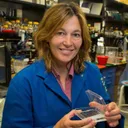
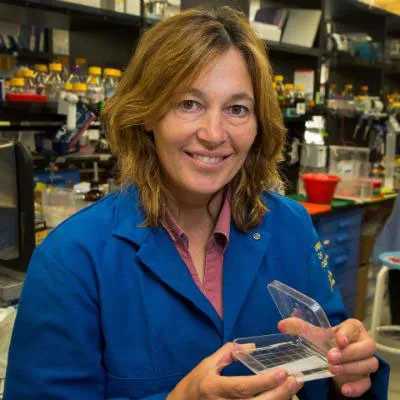
Professor Koehler has been a faculty member in the Department of Chemistry and Biochemistry since 1999. She came to UCLA after doing post-doctoral research in the laboratory of Dr Gottfried Schatz at the Biozentrum, Basel, Switzerland. Her research characterized a new protein import pathway in the mitochondrion and linked a defect in protein import with the inherited disease deafness-dystonia syndrome. Dr. Koehler completed her graduate studies at Iowa State University, characterizing the inheritance of mitochondrial DNA during her M.S. studies and studying dimorphism in Saccharomyces cerevisiae . Dr. Koehler is a former Damon Runyon Scholar and current Established Investigator of the American Heart Association. Dr. Koehler is an Associate Editor for Current Genetics . She has been a member of the Molecular Biology Institute, Jonsson Cancer Center, and the Brain Research Institute since 1999. Her current research focuses on developing vertebrate models for mitochondrial diseases as well as using yeast for mechanistic studies on mitochondrial biogenesis.
Source: BRI Website · Updated 8 months ago
Carla Koehler's research investigates the fundamental mechanisms governing mitochondrial function and dynamics, with a specific focus on molecular trafficking, network regulation, and quality control pathways. Her work explores how processes like mitochondrial protein and RNA import/export, calcium signaling, and fusion/fission events impact cellular bioenergetics and contribute to various diseases, including cancer and neurodegeneration.
Research topics extracted by AI (Google Gemini) from this member’s publications.
55 publications · h-index 57 · PubMed, ORCID and the BRI profile
Showing 10 of 35
Koehler CM.
Curran SP, Leuenberger D, Oppliger W, et al.
Momcilovic M, Jones A, Bailey ST, et al.
Han M, Bushong EA, Segawa M, et al.
Chen HW, Rainey RN, Balatoni CE, et al.
Koehler CM.
Wu TH, Sagullo E, Case D, et al.
Sangwan S, Zhao A, Adams KL, et al.
Rainey RN, Glavin JD, Chen HW, et al.
Koehler CM.
$18.1M total · 12 NIH grants · 2 active
RNA trafficking in mitochondria (NIH RePORTER, opens in a new tab)
R01GM073981Contact PI2006–2030
R01CA308037Contact PI2026–2029
RNA trafficking in mitochondria (NIH RePORTER, opens in a new tab)
R01GM073981Contact PIFY2006–2026
R01CA308037Contact PIFY2026
Biogenesis of the Mitochondrial Inner Membrane (NIH RePORTER, opens in a new tab)
R01GM061721Contact PIFY2000–2025
R01NS120690Co-PIFY2021–2025
R01DK101780Contact PIFY2015–2017
Small molecule modulators for mitochondrial protein import (NIH RePORTER, opens in a new tab)
R03DA027714Contact PIFY2009
Multi-user fermentation facility upgrade (NIH RePORTER, opens in a new tab)
S10RR023749Contact PIFY2008
R03MH085683Contact PIFY2008
R21HL082801Contact PIFY2006–2007
Mitochondrial biogenesis & neurodegenerative disorders (NIH RePORTER, opens in a new tab)
R21DC006663Contact PIFY2004–2005
Fluorescent microscope and imaging system (NIH RePORTER, opens in a new tab)
S10RR019009Contact PIFY2004
Protein and Nucleic Acid Detection/Quantitation System (NIH RePORTER, opens in a new tab)
S10RR015955Contact PIFY2001
Institute members who share papers or grants with this researcher
AI-generated
Generated automatically from this profile's public data to suggest possibilities. Treat them as starting points rather than recommendations.
P01 (Research Program Project Grant)
Given the researcher's established success with multiple R01s focused on specific aspects of mitochondrial biogenesis, dynamics, and disease relevance (e.g., Mfn2 in CMT), a P01 would allow them to lead a larger, integrated, multi-project research program. This mechanism is ideal for bringing together several independent, yet highly synergistic projects, potentially involving collaborators, to tackle a broader theme of mitochondrial dysfunction in neurological diseases, leveraging their existing expertise and creating a more significant impact than individual R01s.
U01 (Research Project Cooperative Agreement)
With the explicit link to Charcot Marie Tooth disease and the focus on calcium flux and mitochondrial fission by Mfn2, the researcher's work likely has strong translational potential. A U01 is suitable for complex, collaborative projects with significant NIH programmatic involvement. This could involve multi-site studies, development of disease models for drug screening, biomarker identification, or early-stage translational research aiming to develop therapeutic strategies for CMT or other mitochondrial-related neurodegenerative disorders.
RF1 (Multi-Site Research Project Grant)
As research on disease mechanisms and potential therapeutic targets progresses, validating findings across diverse patient populations, various animal models, or employing complementary methodologies across different institutions often becomes crucial. An RF1, essentially an R01 scaled for multiple research sites, would enable the researcher to conduct more robust and comprehensive studies, particularly pertinent for validating findings related to Mfn2 in CMT across multiple cohorts or research environments to strengthen translational impact and generalizability.
Shared papers, topics or department