Astrocytes: biology and pathology. (opens in a new tab)
Sofroniew MV, Vinters HV.
Acta Neuropathologica20105,513 citationsRCR 102.6199th percentileOpen access full text (opens in a new tab)PubMed record (opens in a new tab)

Metrics: Semantic Scholar · Updated 8 months ago
AI-generated biography
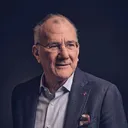
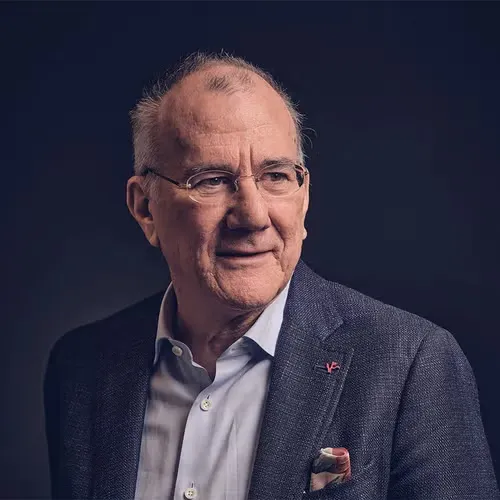
Michael Sofroniew, M.D., Ph.D., is a Professor in the Department of Neurobiology at the David Geffen School of Medicine, University of California, Los Angeles. His research program is dedicated to unraveling the complex cell biology underlying the central nervous system's response to injury. Dr. Sofroniew's laboratory focuses on the critical roles of astrocytes and other glial cells in mediating neuroprotection, modulating neuroinflammation, and influencing the capacity for regeneration following acute injuries such as spinal cord injury and stroke, as well as in chronic neurological disorders.
A significant contribution of his work has been the elucidation of astrocyte reactivity, including the transcriptional regulation of astrocytes and their involvement in CNS scarring and wound healing. His research has demonstrated that reactive astrocytes can play protective roles, aiding in tissue preservation and functional recovery after spinal cord injury, while also exploring their potential to form barriers against neurotoxic inflammation. Dr. Sofroniew's group employs sophisticated systems-level analyses in transgenic mouse models, utilizing techniques such as microsurgery, tissue culture, grafting, immunohistochemistry, and advanced molecular biological approaches. His impactful publications, including seminal works on astrocyte scar formation and protective functions, have garnered substantial citations, reflecting the profound influence of his research on the field. He has also secured significant funding from the National Institutes of Health to support his investigations into novel therapeutic targets for CNS diseases.
Source: Gemini AI · Updated 8 months ago
Our work is directed at achieving a better understanding of the cell biology of the response to injury in the adult central nervous system. We are particularly interested in the roles played by specific cell types (e.g. astroglia) and specific molecules (e.g. growth factors and cytokines) in mediating neuroprotection, regulating inflammation and determining the capacity for regeneration. Our studies are based largely on systems-level analysis in transgenic mouse models. Specific techniques employed include microsurgery, tissue culture, grafting (also from precursor cells and genetically modified cells), immunohistochemistry, tract-tracing, quantitative morphometry, and various molecular biological techniques associated with generating, maintaining, and evaluating transgenic mice.
Michael Sofroniew's research primarily investigates the diverse molecular and functional roles of astrocytes and other glial cells within the central nervous system. Their work specifically focuses on how these cells respond to acute injuries like stroke and spinal cord injury, as well as chronic neurological disorders, by examining the transcriptional regulation of astrocyte reactivity, their involvement in processes such as vascular remodeling and scar formation, and their potential as targets for CNS repair.
Research topics extracted by AI (Google Gemini) from this member’s publications.
Papers by NIH iCite research category (1 of 146 papers classified) · trials from ClinicalTrials.gov · patents from USPTO.
146 publications · h-index 100 · PubMed, ORCID and the BRI profile
Showing 10 of 145
Sofroniew MV, Vinters HV.
Sofroniew MV.
Escartin C, Galea E, Lakatos A, et al.
Burda JE, Sofroniew MV.
Anderson MA, Burda JE, Ren Y, et al.
Sofroniew MV, Howe CL, Mobley WC.
Faulkner JR, Herrmann JE, Woo MJ, et al.
Sofroniew MV.
Khakh BS, Sofroniew MV.
Bush TG, Puvanachandra N, Horner CH, et al.
$8.1M total · 7 NIH grants
R01NS084030Contact PI2014–2025
Molecular Dissection of Reactive Astrogliosis: STAT3 (NIH RePORTER, opens in a new tab)
R01NS057624Contact PI2008–2013
R21NS071292Co-PI2010–2012
R01NS084030Contact PIFY2014–2023
Molecular Dissection of Reactive Astrogliosis: STAT3 (NIH RePORTER, opens in a new tab)
R01NS057624Contact PIFY2008–2012
R21NS071292Co-PIFY2010–2011
Biology of GFAP-expressing neural progenitors (NIH RePORTER, opens in a new tab)
R01NS047386Contact PIFY2004–2008
Molecular Dissection of Reactive Astrocyte Biology (NIH RePORTER, opens in a new tab)
R21NS042693Contact PIFY2002–2003
Descending Spinal Pathways and Neuromuscular Plasticity (NIH RePORTER, opens in a new tab)
P01NS016333Contact PIFY2003
Reactive scar-forming astrocytes after spinal cord injur (NIH RePORTER, opens in a new tab)
R21NS042039Contact PIFY2001–2003
Institute members who share papers or grants with this researcher








AI-generated
Generated automatically from this profile's public data to suggest possibilities. Treat them as starting points rather than recommendations.
P01 (Program Project Grant)
Given the researcher's multiple R01s on 'Engineering astroglial bridges for axons across severe SCI lesions,' a P01 would enable them to integrate these individual, but related, projects into a larger, synergistic, multi-investigator program. This allows for tackling more complex, multidisciplinary scientific questions that extend beyond the scope of a single R01, fostering collaboration and a comprehensive approach to SCI repair, potentially exploring advanced imaging, rehabilitation, or diverse lesion models in concert with the engineered bridges.
UH2/UH3 (Exploratory/Developmental Phased Innovation Award / Clinical Trial Optional)
With extensive preclinical success demonstrated by multiple R01s focused on 'engineering astroglial bridges,' the natural progression is often towards clinical translation. The UH2/UH3 mechanism is specifically designed to support high-risk, high-reward translational research, facilitating the transition from robust preclinical findings to IND/IDE-enabling studies or even an early-phase human pilot clinical trial. This phased award structure helps de-risk progression through critical translational milestones.
SBIR/STTR (Small Business Innovation Research / Small Business Technology Transfer)
The 'engineering' aspect of their research, creating 'astroglial bridges,' suggests a tangible technology with significant commercial potential. If the researcher or their team aims to commercialize this innovation to bring it to patients, forming or collaborating with a small business to apply for SBIR/STTR grants would be highly appropriate. These mechanisms specifically fund small businesses to develop and commercialize promising technologies, bridging the gap between academic research and market deployment for a potential therapeutic.
Shared papers, topics or department